Chief Engineer at Zaporizhzhia Nuclear Plant Killed; Russia Blames Ukraine

Dragon Media News Desk
Russia has accused Ukraine of carrying out a drone strike that killed the chief engineer of the Zaporizhzhia Nuclear Power Plant, Oleksandr Yakovlev, along with his driver, and has called for international condemnation of the incident.
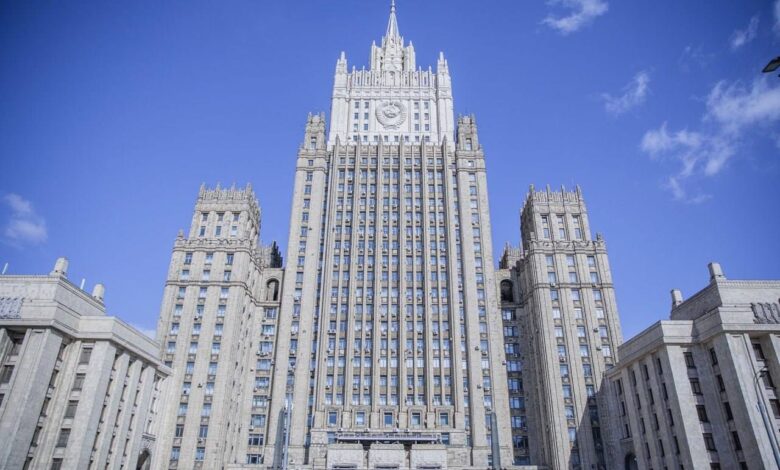
According to a statement released by the Russian Foreign Ministry on July 15, the vehicle, which was being used for plant service purposes, was deliberately targeted by an unmanned aerial vehicle (UAV). The ministry noted that Yakovlev’s responsibilities were directly tied to ensuring the plant’s nuclear and physical security.
Alexei Likhachev, head of Russia’s state nuclear corporation Rosatom, also confirmed that the service vehicle, traveling between the plant and the nearby city of Enerhodar, was struck by a drone, killing the chief engineer and the driver. Ukraine had not issued an immediate official response to the incident at the time of reporting.
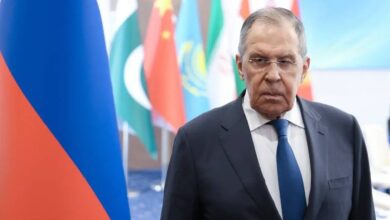
The Russian Foreign Ministry characterized the attack as an attempt to disrupt the safe operation of the nuclear facility and to intimidate its personnel. The ministry reiterated its claim that Ukrainian military presence near the plant poses a serious threat to nuclear safety and stated that it would continue to implement necessary security measures.
The ministry also criticized questions raised regarding Russia’s deployment of security forces at the plant, asserting that Moscow is taking steps in accordance with its national laws and international obligations to protect the facility from attacks.
Rafael Grossi, Director General of the International Atomic Energy Agency (IAEA), condemned the incident, calling it an unacceptable attack on the nuclear plant and its management. While noting that the event raises grave nuclear safety concerns, Grossi did not assign blame to any specific party.
The Zaporizhzhia Nuclear Power Plant is the largest nuclear energy facility in Europe. Under Russian control since 2022, the plant and military activity in its vicinity have been a recurring point of contention between Moscow and Kyiv, with both sides regularly trading accusations. Enerhodar, where most plant employees reside, has also repeatedly come under attack.
The death of a senior technical official at the facility heightens concerns not only over the safety of plant personnel but also over the long-term operation and international oversight of sensitive nuclear infrastructure located near an active conflict zone.
Until an independent investigation into the incident, including identification of the drone used and the party responsible, is conducted, Russia’s allegations must be treated as official Russian claims. Nevertheless, any attack on personnel or service vehicles at a nuclear facility carries not only a human toll but also the potential for widespread nuclear safety risks. This underscores the urgent need for all sides to exercise restraint and cease military activities in the immediate vicinity of the plant.