13th Amdo Horse Racing Festival Brings Sport and Culture Together on Ruoergai Grasslands

Byline: Pasang Lhamu
The 13th Amdo Horse Racing Festival, promoting the culture of Hequ horses from the Yellow River region, has concluded in Ruoergai, also known as Zoige, County in southwest China’s Sichuan Province.
Officially titled the “Chinese Ethnic Horse Racing Festival and Ruoergai County Yellow River Hequ Horse 13th Amdo Horse Racing Festival,” the five-day event was held from July 16 to 20.
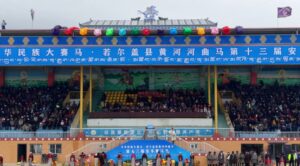
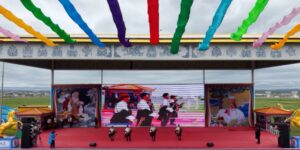
The festival took place at the horse racing ground on the vast Ruo’er Grassland in Hongxing Town. Riders from different parts of Sichuan, Gansu and Qinghai provinces competed in the races, which attracted large numbers of local residents and tourists.
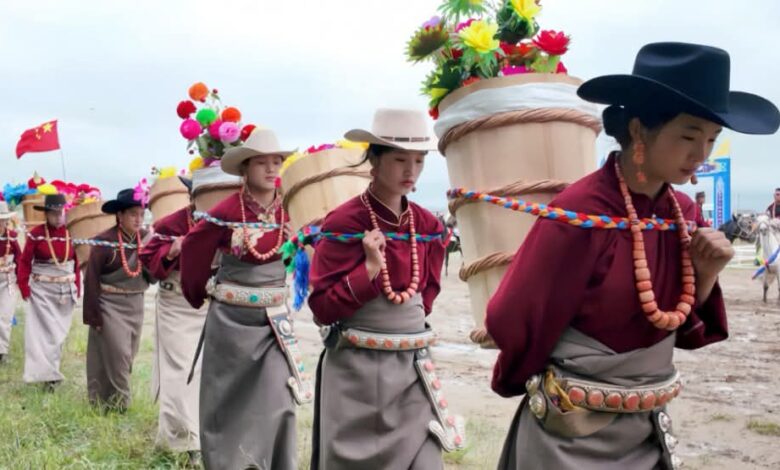
Alongside displays of speed, endurance and horsemanship, the festival showcased the traditional culture, clothing, music and everyday life of the Amdo region. Members of local communities attended the opening ceremony in traditional dress, while cultural groups presented songs, dances and folk performances.
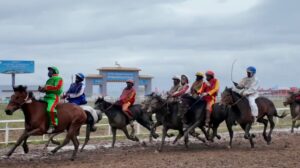
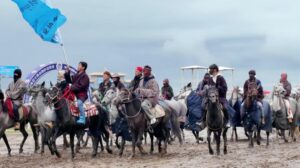
The Amdo Horse Racing Festival is regarded as one of Ruoergai’s major traditional cultural and sporting events. It represents the history, way of life and traditional sporting spirit of Tibetan pastoral communities whose culture has long been closely connected with horses.
The Hequ horse, found in the upper reaches of the Yellow River, is known for its ability to adapt to high-altitude terrain, cold weather and long-distance travel. For local herding communities, horses are not only a means of transport and livestock management but also an important symbol of cultural identity, honour and community life.
In recent years, towns and villages across Ruoergai have regularly organised horse racing competitions. Local authorities have sought to connect traditional sports with cultural tourism, commercial activity and the rural economy.
In addition to horse racing, this year’s festival featured traditional folk singing, instrumental performances, dances associated with intangible cultural heritage and exhibitions of ethnic traditional sports.
Competitions highlighting the personality, traditional clothing and cultural presentation of young Amdo men and women were also among the festival’s major attractions.
Traditional songs, dances and clothing displays introduced visitors to local culture, while market stalls and exhibition areas promoted local products, handicrafts and goods related to animal husbandry.
According to the organisers, combining horse racing with folk culture, tourism and commercial activities has created opportunities for local residents and businesses to benefit directly from cultural tourism. The event was also intended to enrich public cultural life, encourage tourism spending and stimulate local trade.
Local spectator Sangye Tso, who attended the festival, said the event had been well organised and full of energy. She said the competitors appeared to be well prepared and wished them success in the races.
The organisers said management, security, public services and infrastructure would be further improved in future editions. They also aim to preserve the cultural identity associated with Hequ horses and develop Ruoergai as a leading destination for horse culture and grassland tourism.
The festival extended beyond competitive racing by linking traditional equestrian culture with the protection of cultural heritage, ethnic unity, rural revitalisation and tourism development.
The sight of galloping horses, colourful traditional clothing, folk music and broad community participation across Ruoergai’s vast grasslands presented a vivid picture of Amdo’s living cultural heritage.