Young Entrepreneur Returns Home to Build Prosperity Through Livestock Farming

Dragon Media News Desk
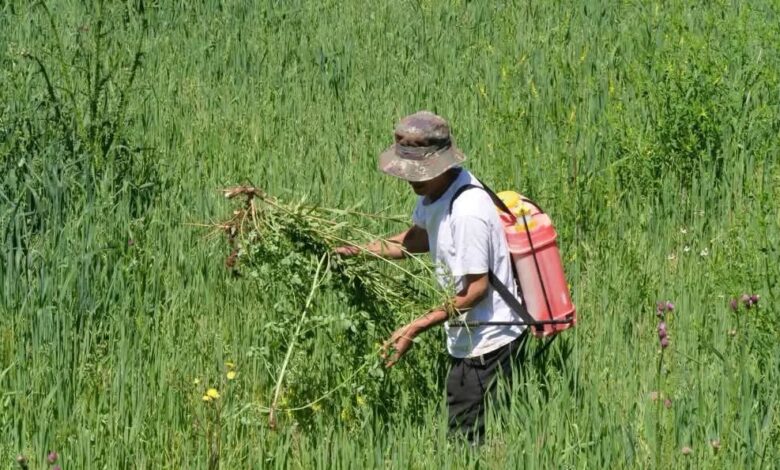
A young entrepreneur in Heshui County, China, has returned to his hometown and is building a new path toward rural prosperity through specialized livestock farming. By making use of local natural resources and government support, he has developed yak, cattle and sheep farming into an increasingly organized rural business.
The entrepreneur, Jungye, returned home with the aim of establishing a livelihood in his native area and began developing livestock farming based on local conditions. His willingness to take risks and experiment with different approaches has gradually helped expand the business.
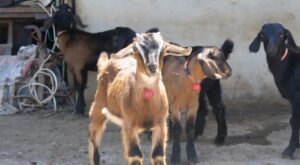
His livestock base now has more than 400 yaks, cattle and sheep. The facilities are kept clean and orderly, while particular attention is given to regular health checks, disease prevention and the daily care of the animals.
He also manages more than 30 mu of land for growing fodder. By relying on locally available quality grassland and pasture resources, the farm has been developed in a way that closely matches the area’s natural environment.
From Pig Farming to a New Direction
At the beginning of his entrepreneurial journey, Jungye experimented with pig farming.
He also helped establish a livestock cooperative in an effort to involve nearby villagers and create opportunities for collective income growth.
During operations, however, he found that transporting feed from outside the area was expensive and that pig farming was not particularly well suited to local conditions.
When the overall economic returns failed to meet expectations, he decided to change direction.
Recognizing the advantages of the area’s extensive natural grasslands, he abandoned pig farming and shifted his focus to yaks, cattle and sheep.
The change allowed him to develop a livestock business better adapted to local natural resources.
Old Buildings Converted into Modern Livestock Facilities
Government support also played an important role in restructuring the business.
Using assistance provided for young people returning to their hometowns to start businesses, Jungye renovated previously unused old buildings in the township and converted them into standardized livestock facilities.
The transformation replaced earlier scattered farming practices and inadequate infrastructure with a more organized and standardized production system.
Agricultural and livestock technicians have also regularly visited the farm to provide practical guidance on improved breed selection, scientific feeding, disease prevention and control.
The technical assistance has helped resolve various challenges in livestock farming and laid a stronger foundation for standardized and sustainable development.
A ‘Grass–Livestock–Manure Back to the Land’ Cycle
Jungye has also developed an environmentally friendly farming system adapted to local conditions, linking grass cultivation, livestock raising and the reuse of animal manure.
Grass grown on the farm is used as feed for the livestock, while manure from the animals is returned to the fields and pastureland as fertilizer.
This creates a circular system based on “growing grass, raising livestock and returning manure to the land.”
The approach reduces dependence on externally purchased feed, helps maintain soil fertility and improves the overall economic efficiency of the farm.
It also creates a balance between industrial development and ecological protection, generating both economic and environmental benefits.
Government Support Strengthens Confidence
Jungye said the quality natural resources available in his hometown, together with supportive local government policies and technical assistance, strengthened his confidence in returning home to start a business.
“My hometown has high-quality ecological resources, and with the implementation of supportive policies by the Party committee and the government, I have become even more confident about returning home to start a business, while the foundation for developing the industry has become stronger,” he said.
His livestock business is now developing steadily.
Plan to Involve More Local Residents
In the next stage, Jungye plans to gradually expand the scale of livestock farming, improve animal breeds and increase production capacity.
He also intends to share his farming experience and practical technical knowledge with nearby residents.
His goal is to encourage more local families to participate in specialized livestock farming, increase their incomes and move toward shared prosperity.
The initiative demonstrates how young people returning to their hometowns can combine local natural resources, government support, scientific livestock management and environmentally sustainable production methods to contribute to rural revitalization.
At a time when many young people leave rural areas in search of employment elsewhere, Jungye’s experience shows that identifying local opportunities and developing businesses at home can create livelihoods while also contributing to wider community development.