Gen Z Movement Martyrs’ Families and Injured Eligible for Concessional Loans of Up to Rs 1.5 Million

Dragon Media Correspondent
The government has introduced a provision allowing families of those killed in the Gen Z movement and injured participants to receive concessional loans of up to Rs 1.5 million for self-employment and entrepreneurial activities.
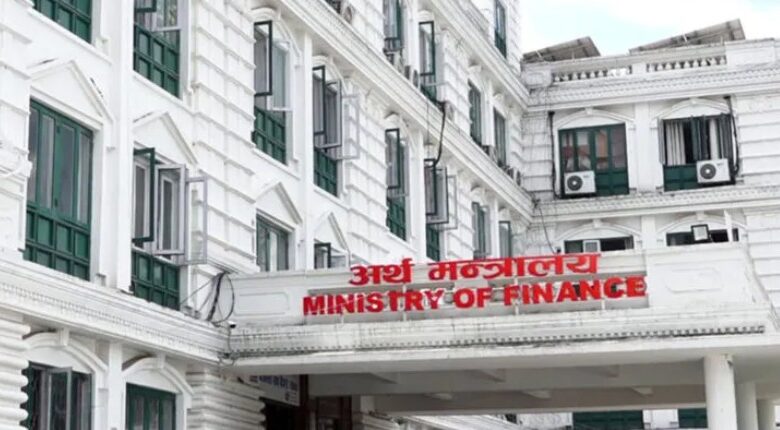
The Ministry of Finance introduced the provision through the “Second Amendment to the Procedure on Interest Subsidy for Concessional Loans, 2083,” adding a dedicated self-employment enterprise loan scheme targeting families of Gen Z movement martyrs and those injured during the movement.
The ministry said the procedure was amended by exercising the authority granted under Section 65(4) of the Financial Procedures and Fiscal Responsibility Act, 2019.
Under the revised provision, eligible families of those killed in the Gen Z movement and injured individuals may receive concessional loans of up to Rs 1.5 million to establish and operate self-employment-oriented enterprises and businesses.
To qualify, applicants must be officially certified as either members of a martyr’s family or as individuals injured during the Gen Z movement by the Government of Nepal or another authority designated under prevailing law.
The procedure defines the “family of a Gen Z movement martyr” as the husband, wife, son, daughter, father or mother of a person who was killed during the movement.
Eligible applicants may obtain concessional loans to operate agriculture and livestock businesses, cottage and small industries, service-sector enterprises, information technology-based businesses and tourism-related ventures.
The scheme also covers manufacturing industries, startup enterprises and other productive or employment-generating businesses designated by the Government of Nepal from time to time.
The latest provision indicates that the government is seeking to support affected families and injured individuals not only through direct assistance but also by linking them with longer-term income generation, self-employment and entrepreneurship.
The effectiveness of the concessional loan programme will, however, depend on whether eligible beneficiaries can gain practical access to financing, how banks and financial institutions implement the scheme, the viability of selected enterprises, and the availability of technical and institutional support for business operations.