Divorce Cases Rise in Panchthar, 471 Cases Heard in a Single Year

Dragon Media Correspondent
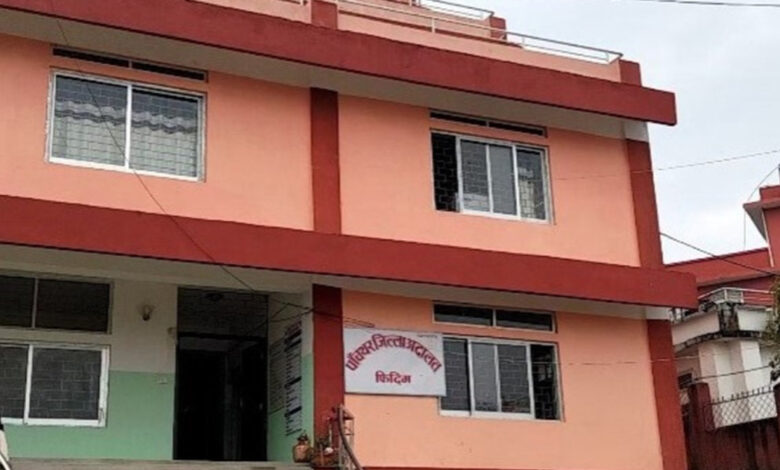
Divorce cases have risen significantly among cases registered at the Panchthar District Court. In fiscal year 2082/83, 384 of the 609 new cases registered at the court were related to divorce, according to court data.
Of the 246 cases carried over from fiscal year 2081/82, another 87 were divorce cases. This means a total of 471 divorce cases came under hearing during the last fiscal year. Of these, 167 cases were settled through mediation, according to Saraswati Nembang, tahsildar and information officer at the Panchthar District Court.
Court statistics show that divorce cases accounted for around 51 percent of the total caseload in fiscal year 2081/82. In fiscal year 2082/83, the proportion increased to around 56 percent, indicating a rise both in the number and share of divorce-related cases.
Couples approaching the court for divorce have come from a wide range of age groups and family circumstances. Last year, a 73-year-old man and his 59-year-old wife obtained a divorce, while parents of a one-and-a-half-year-old child also approached the court to end their marriage.
According to Nembang, not all divorce cases arise from newly developed marital disputes. In around one-third of cases, either the husband or wife has already entered into another marriage and later approaches the court primarily to complete the necessary legal and documentary procedures for formal divorce.
Legal practitioners say there is no single factor behind the growing number of divorce cases. Advocate Jay Prakash Kerung said child marriage, prolonged separation caused by foreign employment, distrust or new relationships emerging through social media, alcohol abuse and neglect within the family are among the factors frequently observed in such cases.
Kerung said some couples who married at a young age later find it difficult to continue their relationship once they become more mature. Long periods of separation due to foreign employment can also create emotional distance, while in some cases relationships with other people contribute to marital breakdown. However, such factors cannot be applied uniformly to every divorce case, as each family has its own social and personal circumstances.
Alcohol abuse can also contribute to financial problems, domestic violence, distrust and emotional separation, according to legal practitioners. At the same time, the increase in divorce cases should also be viewed in the context of growing awareness among women about their rights and a weakening of social pressure to remain in marriages marked by violence, humiliation or persistent injustice.
The welfare and psychological condition of children is among the most sensitive issues following divorce. According to Kerung, mothers assume responsibility for children in a large majority of divorce cases. However, parental separation can affect children’s emotional security, family environment, education and social development, underlining the need to prioritize the best interests of children during divorce proceedings.
Laxmi Prasad Dhungana, chief of Panchthar Multiple Campus, said the growing number of divorce cases should not be understood merely as an individual or psychological problem. He said unemployment, migration for work, prolonged separation between spouses, changing social values and growing emphasis on individual priorities are also reshaping family structures.
Divorce itself is a legal right, and it would be inappropriate to conclude that every marriage should be preserved under all circumstances. For people living with violence, abuse, persistent humiliation or unsafe relationships, divorce can also serve as an important means of legal protection.
However, the rising number of cases in Panchthar highlights the need for broader social discussion on family communication, awareness before marriage, prevention of child marriage, the social effects of foreign employment, alcohol abuse and protection of children affected by marital breakdown.