Russia Rejects Safety Claims Against Metsamor Nuclear Plant, Extension Planned Until 2036

Dragon Media News Desk
Russia has rejected recent claims that Armenia’s Metsamor Nuclear Power Plant poses a threat to regional security, describing the allegations as groundless and politically motivated.
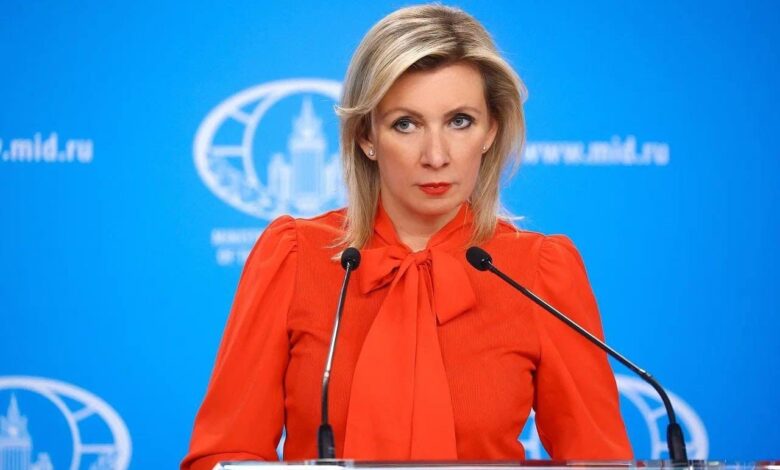
Russian Foreign Ministry spokeswoman Maria Zakharova said on August 22, in response to a media question, that foreign media had once again circulated claims that the Metsamor plant operates with outdated technology, poses a danger to the wider region and should ultimately be shut down.
Zakharova said such accusations were not new and argued that similar concerns were not raised about some European nuclear power plants operating with comparable technologies. According to her, the Metsamor reactor unit was specially adapted to the region’s high seismic activity, while its safety systems responded normally during the devastating 1988 Spitak earthquake.
The plant was shut down following the earthquake, but its second unit was brought back into operation in 1995 after necessary maintenance and safety improvements. Russian and Armenian specialists are currently carrying out further technical and safety work aimed at extending the unit’s operating life until 2036.
According to information from the International Atomic Energy Agency, Armenia is also pursuing measures to extend the operation of the second unit until 2036. The programme includes assessments and upgrades of safety systems, equipment, structures and emergency-response arrangements required for long-term operation.
Zakharova also referred to IAEA Director General Rafael Mariano Grossi’s 2022 visit to Armenia, saying that he positively assessed efforts undertaken to strengthen the plant’s nuclear and physical security.
The Metsamor plant remains a major component of Armenia’s energy system. According to the Russian Foreign Ministry, it accounts for around 30 percent of the country’s electricity generation. Moscow says the plant’s stable and relatively affordable electricity supply has played an important role in supporting Armenia’s industrial development and energy security.
Zakharova argued that peaceful nuclear energy has become an important element of national sovereignty and energy security, warning that closing Armenia’s own nuclear power plant could increase the country’s dependence on external energy suppliers.
She portrayed criticism of Russian-Armenian nuclear cooperation as an attempt to weaken bilateral cooperation in the sector. She also accused some international actors of promoting Western technologies and projects as alternatives to Russian-backed nuclear initiatives.
Any final decision on the long-term operation of Metsamor, however, will depend on safety assessments and regulatory approval. Armenia is also considering the construction of a new nuclear power unit as part of its longer-term energy strategy.