BRICS Digital Agenda Highlights Cybersecurity, AI and Digital Infrastructure

Dragon Media News Desk
Cybersecurity, digital public infrastructure, artificial intelligence and next-generation communication technologies emerged as key areas of cooperation among BRICS members during the BRICS Digital Forum and the 12th BRICS Communications Ministers’ Meeting held in Pune, Maharashtra, on August 20 and 21 under India’s BRICS Chairship.
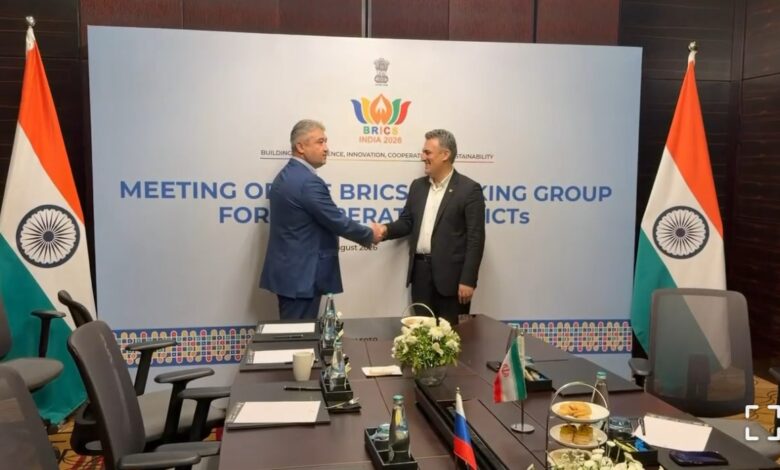
The Russian delegation was led by Alexander Shoitov, Deputy Minister of Digital Development, Communications and Mass Media of the Russian Federation. It included ministry officials, diplomats from the Russian Consulate General in Mumbai, as well as representatives of specialised organisations and the expert community.
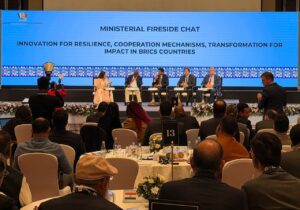
At the BRICS Digital Forum, participants discussed the development of a safe and trusted digital environment, with particular attention to child online safety and measures to counter disinformation and the spread of false and misleading information. Expanding universal, affordable and resilient digital connectivity was also among the major priorities.
Discussions covered the development of digital infrastructure, the adoption of artificial intelligence, next-generation communication networks, digital skills and workforce development. Under its BRICS Chairship, India has also promoted digital public infrastructure as an important foundation for inclusive and citizen-centric digital services.
At the 12th BRICS Communications Ministers’ Meeting on August 21, ministers and senior representatives from member countries exchanged national experiences in the development of information and communication technologies and discussed prospects for expanding practical cooperation. The meeting was chaired by India’s Minister of Communications Jyotiraditya M. Scindia.
BRICS members identified resilient and reliable digital ecosystems, cybersecurity and trusted ICT, digital public infrastructure, artificial intelligence, future communication networks, digital skills development and technology-based entrepreneurship as shared priorities.
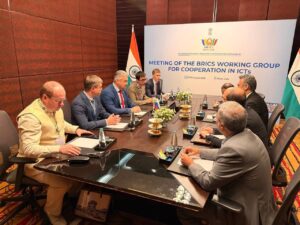
The meeting formed part of a five-day BRICS ICT programme in Pune under the theme “Innovate, Cooperate and Transform for a Resilient Future.” The programme included the seventh meeting of the BRICS Working Group on ICT Cooperation from August 17 to 19, the Digital BRICS Forum and Expo on August 20, and the Communications Ministers’ Meeting on August 21.
The Russian delegation also held separate bilateral meetings with representatives of Iran and South Africa. According to the Russian side, the talks focused on prospects for expanding cooperation in the digital sphere.
The Pune meetings marked another step toward institutionalising a practical BRICS digital cooperation agenda, ranging from the development of digital infrastructure and services to information security, user protection, artificial intelligence and joint responses to emerging technological challenges.