Protecting Plateau Medicinal Seeds to Preserve Tibetan Medical Heritage

Dragon Media News Desk
The Xinghai County Tibetan Medicine Hospital in Hainan Tibetan Autonomous Prefecture, Qinghai Province, China, is strengthening efforts to preserve the genetic resources of medicinal plants found on the plateau while helping pass traditional Tibetan medical knowledge to future generations.
On the afternoon of August 20, a media delegation participating in the 2026 “Comprehensive Green Transformation, Jointly Building a Beautiful China” campaign visited the hospital to learn about its medicinal plant seed germplasm bank, conservation system and contribution to protecting biodiversity in the plateau region.
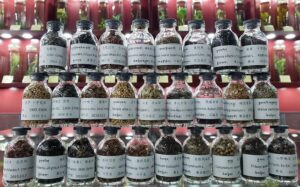
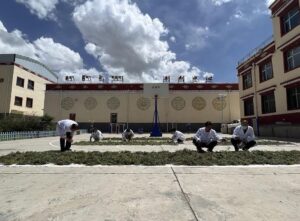
The hospital established the germplasm bank by taking advantage of local high-altitude ecological conditions. The initiative is intended to protect plateau medicinal plant resources used in Tibetan medicine, preserve Tibetan medical culture and safeguard biodiversity in the headwaters region of the Yellow River.
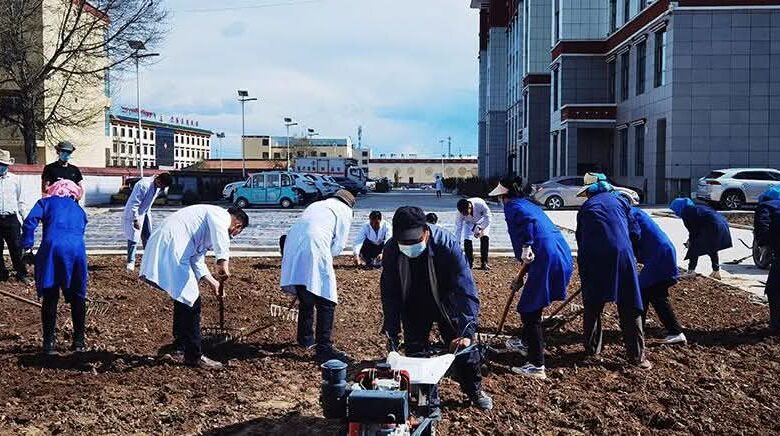
Climate change and excessive harvesting from the wild have placed some medicinal plants used in traditional Tibetan medicine under growing pressure. In response, the hospital organized specialized teams to conduct extensive field surveys across the surrounding plateau areas.
The surveys documented the distribution, species, growing environments and traditional uses of local medicinal plants, providing a scientific foundation for their long-term conservation.
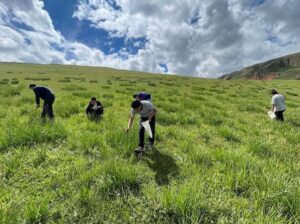
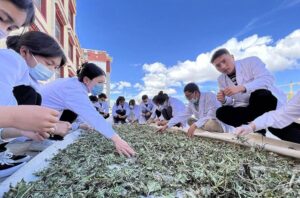
The hospital has established a standardized seed storage facility equipped with low-temperature control and digital information management systems. More than 200 varieties of medicinal plant seeds, comprising several million individual seeds, have been preserved there, helping fill a gap in the systematic conservation of Tibetan medicinal plant genetic resources in Xinghai County.
The initiative goes beyond storing seeds. The hospital is also carrying out artificial propagation, improved seed breeding and ecological restoration programs aimed at reducing pressure on medicinal plants collected from the wild.
These efforts are expected to help ensure the long-term availability of medicinal resources while contributing to the restoration and protection of the fragile plateau ecosystem.
At the same time, the hospital is improving traditional Tibetan medicine preparation techniques and expanding its in-house processing capacity. By linking the conservation of medicinal raw materials with processing, production and clinical use, it aims to strengthen the quality and sustainability of Tibetan medical services.
Looking ahead, the Xinghai County Tibetan Medicine Hospital plans to improve scientific management of the germplasm bank, expand the breeding and cultivation of high-quality medicinal varieties, and promote coordinated development among ecological protection, cultural heritage preservation and industries that benefit local communities.
The protection of each medicinal seed on the plateau therefore represents more than the preservation of Tibetan medical heritage. It is also part of a broader long-term effort to safeguard biodiversity in the Yellow River headwaters region.