Minyak Folk Culture Festival Highlights Gesar Opera and Preservation of Traditional Heritage

Dragon Media News Desk
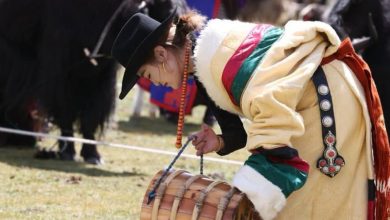
The fourth Minyak Folk Culture Festival has been held in Minyak Dora Karpo with a focus on preserving, transmitting and promoting Minyak culture while strengthening awareness of the Chinese national community. The festival featured a wide range of traditional activities, including horse racing, equestrian skills, song and dance performances, Tibetan opera and Gesar opera.
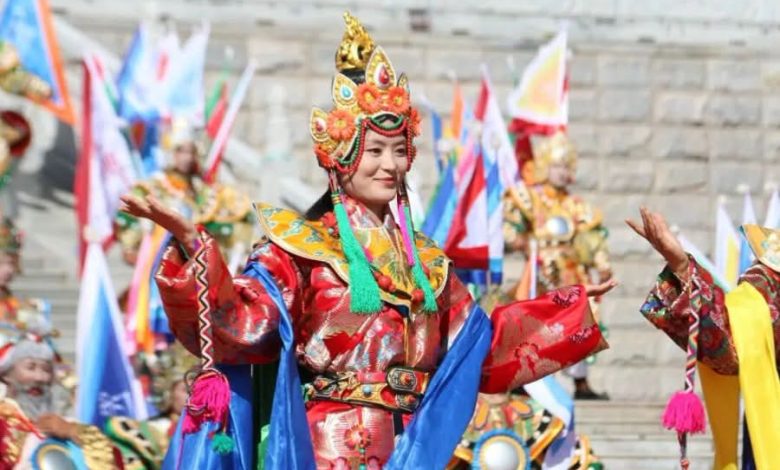
The cultural performances attracted visitors and spectators from different areas, with Gesar opera emerging as one of the major highlights. Traditional costumes, stage props, distinctive dance movements, music, makeup, expressive acting and local language were combined to bring the characters and stories of Gesar vividly to the stage.
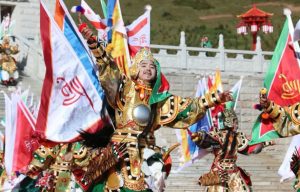
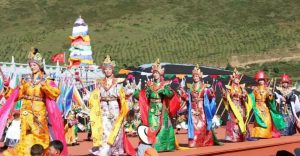
The tradition of presenting Gesar stories as staged drama began to expand during the 1980s. Since then, Gesar opera has been performed during festivals, celebrations and major cultural events across different parts of the Kham and Amdo regions. By combining the traditional oral epic with music, dance and dramatic performance, it has become an important means of transmitting cultural heritage to younger generations.
Gesar opera recounts episodes ranging from the birth of King Gesar to his various campaigns and battles. The stories portray Gesar entering the human world, defeating enemies, protecting the people, promoting harmony and coexistence among different communities, and working toward the creation of a peaceful and prosperous homeland.
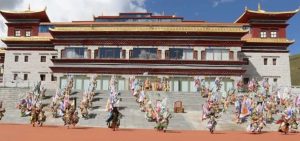
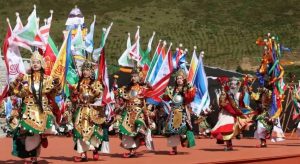
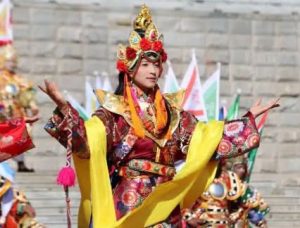
Different sections of the performance cover episodes related to Gesar’s birth, horse racing and the acquisition of precious treasures, the conflict between Hor and Ling, and other major campaigns. Performers use distinctive costumes, traditional props, dance movements, musical melodies, facial expressions and characteristic local language to create vivid portrayals of the epic’s characters.
Gesar-related dances and theatrical performances continue to be staged during Losar, auspicious occasions, religious and cultural festivals, and other important celebrations. Beyond entertainment, these performances serve as a living medium for transmitting local history, oral traditions, collective memory and cultural identity from one generation to another.
The Epic of King Gesar is regarded as an important expression of the cultural life of Tibetan communities. Passed down orally across generations, the vast heroic epic remains a rich cultural treasury encompassing storytelling, singing, acting and dance. Although different forms and interpretations have developed over time, its central themes of heroism, justice, social harmony and peaceful life continue to be preserved.
At the fourth Minyak Folk Culture Festival, a special Gesar opera performed by the local Gesar theatrical troupe offered audiences a vivid glimpse into this living cultural tradition. Through such activities, the festival seeks to strengthen the preservation, intergenerational transmission and continued development of Minyak folk culture.