Autumn Brings Kite-Flying Season to Xizang, Keeping Traditional Craft and Cultural Heritage Alive

Dragon Media News Desk
As autumn arrives across Xizang, clear skies and gradually cooling winds have created ideal conditions for the traditional season of kite flying. With a long history in the region, kite culture is more than a form of recreation. The craftsmanship, shapes, colors, names and symbolic patterns of traditional kites reflect distinctive elements of local culture, aesthetics and traditional ways of life.
Traditional kites in Xizang have different names according to their shapes, colors and decorative patterns. Among them are Miglog, Chewa, Gyawo, Gomar or Gonag, Pangden and Kangling. Each type is associated with particular designs and cultural meanings. The Gyawo, for example, traditionally features red or black patterns on both wings, with shapes that symbolize courage and bravery.
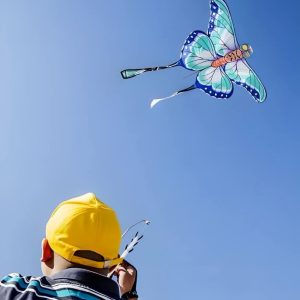
The Gomar or Gonag type features a red or black triangular design at the upper section of the kite, symbolically associated with the head of a religious protector. Miglog kites feature semicircular patterns at the two corners, traditionally expressing strength and an imposing presence toward competing kites. Chewa kites use hook-shaped patterns representing fearsome fangs, while Pangden kites are decorated with colorful lines associated with beauty. Kangling kites feature a thick red or black line symbolizing the spread of religious dignity and spiritual influence.
Although these designs may appear simple, they carry distinctive cultural meanings. When colorful kites rise into the blue autumn sky, their patterns create a striking visual display while also expressing traditional qualities associated with openness, courage and determination. Kite flying remains particularly popular among young people, although members of older generations can also be seen participating in the tradition.
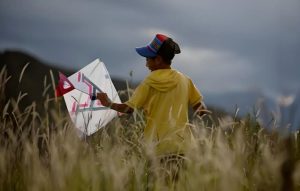
Kites can be made in different sizes depending on the number and arrangement of their structural ribs. Their surfaces can also be decorated with a wide variety of patterns according to individual preferences and imagination. Traditionally, kite flyers often made their own kites rather than purchasing finished products. The process encouraged patience while developing craftsmanship, color coordination and creativity, making kite-making an important means of passing traditional knowledge and skills from one generation to another.
Kite flying and kite selling remain visible in Lhasa today. Over time, designs, colors and styles have become increasingly diverse. While traditional forms continue to be preserved, new aesthetic elements have also been incorporated, demonstrating how the practice has adapted to changing social life while maintaining its cultural foundations.
Traditional kite-making craftsmanship has also gained recognition as an important form of national-level intangible cultural heritage. Such recognition highlights the value of the craft, its cultural significance and its distinctive local characteristics. It also places the kite beyond its recreational role, presenting it as a living expression of history, art, traditional knowledge and cultural identity.
Against Xizang’s clear autumn skies, colorful kites therefore represent more than seasonal entertainment. They form a living cultural bridge between an inherited tradition and contemporary social life, allowing an old craft to remain visible, practiced and meaningful for new generations.