Russia Begins State Duma Elections as Lavrov Calls for Responsible Voting

Dragon Media News Desk
Voting has begun in Russia to elect the ninth State Duma, the lower house of the Federal Assembly, with the three-day election taking place from September 18 to 20. Russian voters are choosing representatives for the 450-seat chamber at a time of heightened geopolitical tensions and continuing confrontation between Moscow and Western countries.
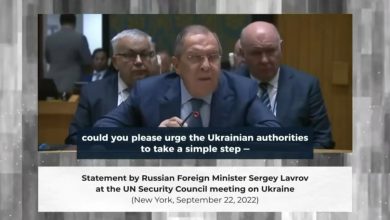
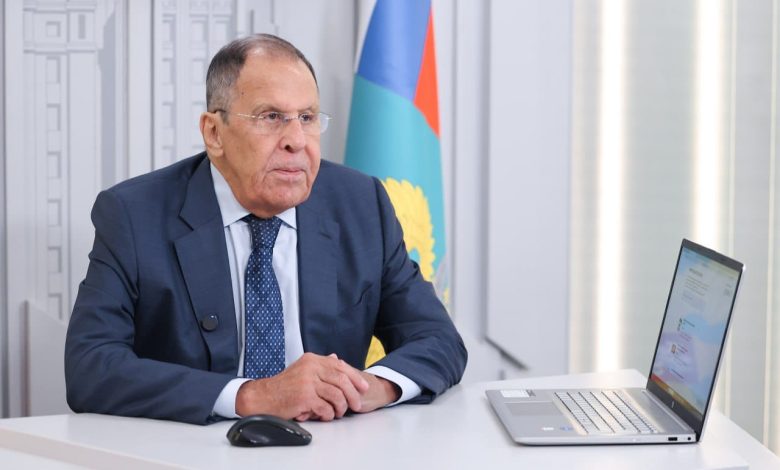
Russian Foreign Minister Sergey Lavrov called on citizens to participate in the election, describing the vote as an important political process for the country’s future, continued development, security and sovereignty. In remarks issued in Moscow on Friday, Lavrov urged Russians to exercise their constitutional right and make what he described as a responsible choice.
Referring to President Vladimir Putin’s address to Russian citizens ahead of the vote, Lavrov said the President had underlined the significance of the election for Russia’s future and the protection of its sovereignty and security. Putin urged citizens to participate in the electoral process, while Lavrov said the results should demonstrate what he described as the maturity and resilience of Russian society.
Lavrov also framed participation in the election as a response to external forces that, in his words, seek to weaken Russia and deny the country the right to determine its own future. His remarks reflect the Russian government’s broader emphasis on sovereignty and domestic political cohesion amid sustained international pressure and geopolitical confrontation.
The State Duma consists of 450 members elected under a mixed electoral system. Half of the deputies are chosen through proportional representation based on party lists, while the remaining 225 are elected from single-member constituencies. Regional and local elections are also taking place alongside the parliamentary vote.
The election is being held amid debate over the political environment inside Russia. Critics and opposition figures have raised concerns about political competition and restrictions affecting some opposition candidates and organisations, while Russian authorities maintain that the electoral process operates within the country’s constitutional and legal framework.
Voting conducted in Russian-controlled areas of internationally recognised Ukrainian territory has also drawn international controversy. Ukraine rejects elections organised by Russia in those territories as unlawful, while Moscow treats the regions it claims to have incorporated as part of the Russian Federation.
Against this backdrop, the three-day State Duma election carries significance beyond the composition of Russia’s next parliament. It is taking place during a period in which questions of sovereignty, security, economic resilience and Russia’s relations with the wider international system remain central to the country’s domestic political discourse.