Protection or Detention? The State Owes an Answer


Dragon Media Editorial
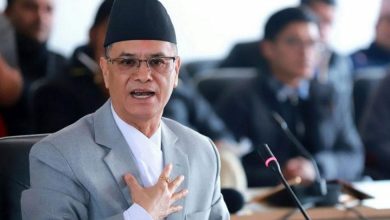
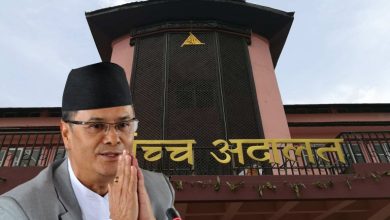
Nepal’s Supreme Court has expressed serious concern over police taking former Chief Justice Cholendra Shumsher Jung Bahadur Rana from his home at night and keeping him at a police office for about ten hours. The National Human Rights Commission has summoned a senior police officer for questioning after its team said it was denied access to Rana. The issue now extends beyond the treatment of one former officeholder. It asks how the state explains an intervention in a person’s liberty and who takes responsibility for it.
Police said Rana was moved to a safe place because of a security threat and that they did not intend to bring charges against him. If the threat was real, the state had a duty to protect him. But taking someone from their home at night to a police office is a step that requires its own explanation. What was the threat? Who assessed it? Why was protection at his residence insufficient? Did Rana agree to go, and was he free to leave? The police account cannot resolve public concern without answering these questions.
Access for the rights commission raises a separate concern. Its team says it waited at the gate of the Teku police office but was not allowed to meet Rana. If that account is accurate, police must provide a specific reason. An independent body’s ability to check on a person taken to a police facility is a safeguard of rights, not a courtesy granted at the police’s discretion.
Rana’s record as chief justice remains open to scrutiny. If there is a basis to investigate an offence, the law applies to him as it does to anyone else. Disagreement with his past judicial decisions, however, cannot excuse a failure to examine what police did in this case. As the Supreme Court has stressed, personal liberty and the right to live with dignity belong to every citizen. The standard applied here must also protect people who have no public standing or powerful supporters.
The Supreme Court has not ruled that the police action was unlawful. That question should be examined on the evidence. Equally, the phrase “for his safety” cannot settle why a person facing no planned charges, according to police, was taken from his home and kept at a police office for hours. The records should establish who authorised the move, on what legal basis, and how Rana’s wishes were handled.
Police leadership should review the decision and disclose what it lawfully can. It should also respond promptly to the commission’s request for an explanation. Details that would expose a genuine security risk may need to remain confidential; responsibility for the decision cannot. The government should cooperate fully with independent scrutiny.
When the state says it restricted someone’s freedom to keep them safe, it must show why that restriction was necessary. A clear, evidence-based account is essential both for Rana’s rights and for public confidence in the institutions involved.