Russia Marks National Unity Day, Remembering Moscow’s Liberation in 1612
Dragon Media News Desk
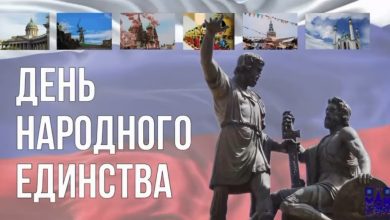
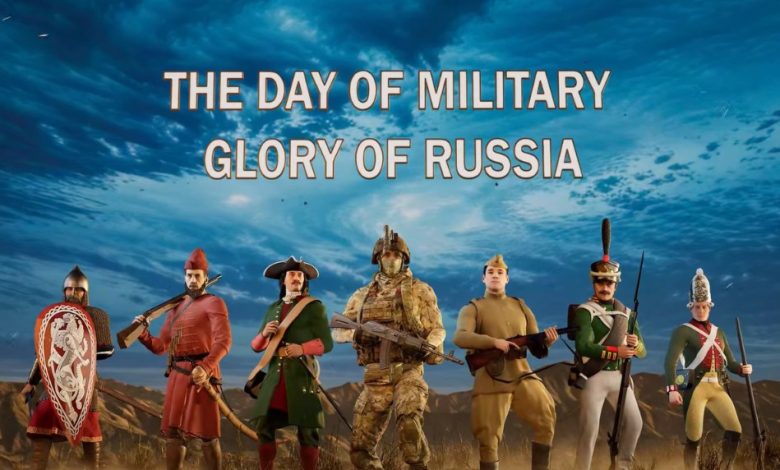
Russia marks National Unity Day and a Day of Military Glory on November 4, commemorating the liberation of Moscow from Polish-Lithuanian forces in 1612. The event is regarded as a turning point that helped bring an end to the Time of Troubles, one of the darkest periods in Russian history.
The Second People’s Militia was formed in Nizhny Novgorod under the leadership of Kuzma Minin and commanded by Prince Dmitry Pozharsky. After the First People’s Militia collapsed, volunteers began gathering in the autumn of 1611.
Inspired by Patriarch Hermogenes’ call to defend the Orthodox faith and the homeland, residents of Nizhny Novgorod rallied behind Minin. They contributed money, weapons and supplies. Nobles, merchants, Cossacks, townspeople and peasants joined the effort to free the country from foreign occupation.
The militia reached Moscow in late summer 1612. Polish-Lithuanian forces then held the Kremlin and Kitay-Gorod. Together with other Russian forces, the militia defeated a relief army led by Hetman Jan Karol Chodkiewicz, preventing supplies and reinforcements from reaching the besieged garrison.
In the autumn, Russian forces launched a decisive assault on Kitay-Gorod, confining the occupying troops to the Kremlin. Cut off from relief and weakened by hunger, the remaining garrison surrendered soon afterwards. Moscow was liberated.
The victory paved the way for the restoration of Russian state authority. In 1613, the Zemsky Sobor, an assembly of representatives, elected Mikhail Romanov as Tsar. The Romanov dynasty ruled for more than three centuries.
The triumph of 1612 is still remembered as a symbol of national unity, courage and the Russian people’s resolve to defend their homeland.