Chengdu Unveils 1,300 Thangka Paintings Depicting the Life of Padmasambhava

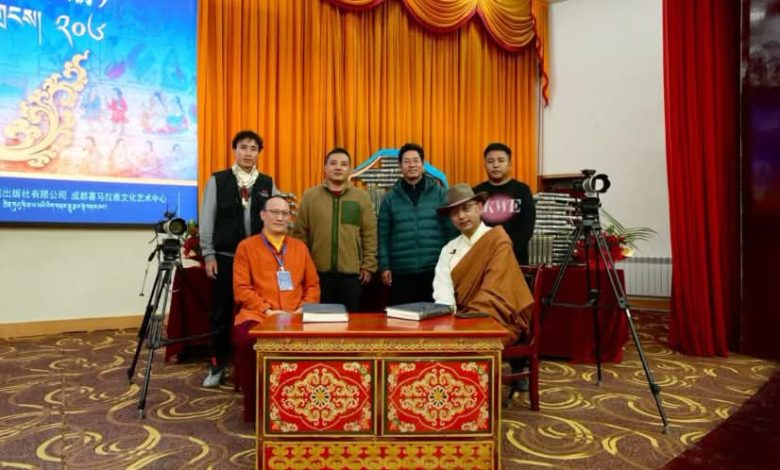
Dragon Media News Desk
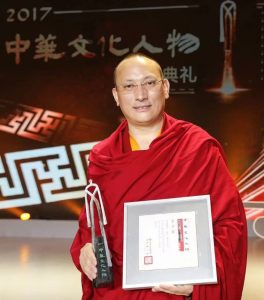
A series of 1,300 thangka paintings depicting the life and religious work of Guru Padmasambhava was unveiled in Chengdu, in China’s Sichuan Province. More than 200 artists worked on the project over two decades under the direction of Wöntrul Tsering Dorje, founder of the Himalayan Cultural Archive.
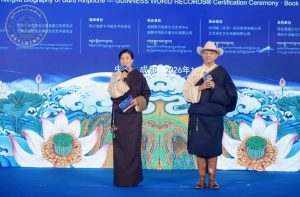
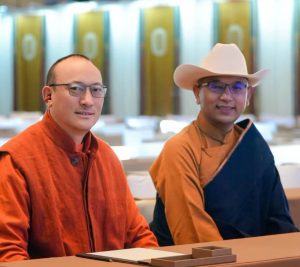
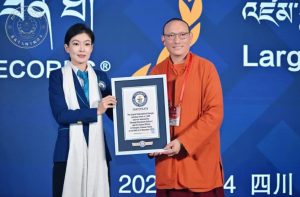
Jampa Dorje, who co-hosted the November 4, 2026 ceremony, wrote in a Tibetan-language account that the event marked the completion of the series and the presentation of a Guinness World Records certificate. According to his account, the series was recognised as the longest sequence of paintings depicting the life of one person. The ceremony also included the launch of Pema Önang (The Light of the Lotus) and a symposium on Buddhist religion and art.

Each thangka measures 2.2 metres long and 1.5 metres high. When arranged for display, the full series spans about 3.5 kilometres, Jampa Dorje wrote. The artists used colours prepared from natural materials, including gold, silver, coral and turquoise.
The series draws on biographies and other texts from the Nyingma Buddhist tradition, including the Pema Kathang, Zanglingma and Kathang De Nga. The paintings present episodes from Padmasambhava’s life and his role in spreading Buddhism in India and Tibet. They also depict religious practices, local customs, landscapes and architecture across the Himalayan region. The preliminary drawings were made in the Karma Gadri style.

Tsering Dorje launched the project in 2005. Jampa Dorje said the work gave younger thangka painters an opportunity to learn traditional techniques alongside experienced artists. Buddhist teachers, artists and researchers attended the ceremony. Khampa Television streamed the event in China and abroad, drawing nearly 300,000 viewers, according to Jampa Dorje.
Founded in 2011, the Himalayan Cultural Archive collects, edits and publishes old Tibetan texts and manuscripts. Jampa Dorje said it had collected and digitised more than 10,000 works. The archive makes some texts available online free of charge and provides printed collections to monasteries, schools and libraries.