Russia Strongly Condemns French Military Detention of Vessel on High Seas, Accuses Violation of International Law

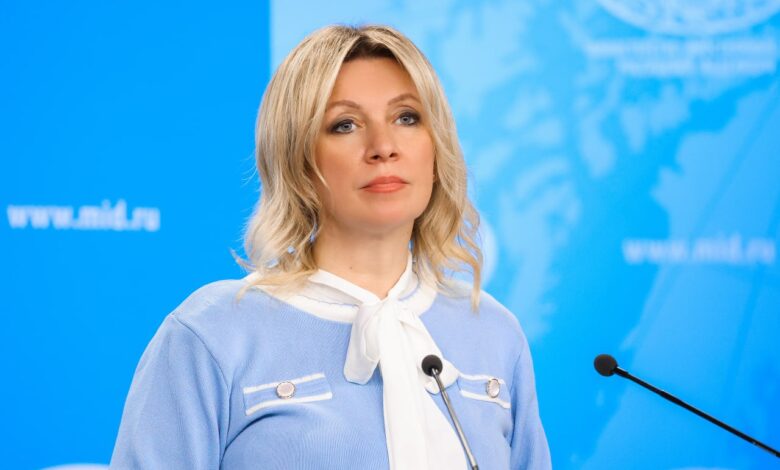
Moscow. Russian Foreign Ministry Spokeswoman Maria Zakharova has strongly condemned the interception and detention of the Russian vessel Tagor by French military forces with UK support on the high seas, calling the move a violation of international law.
According to Zakharova, on May 31, the vessel sailing from the Russian port of Murmansk to Cameroon with virtually no cargo on board was stopped and detained on the high seas, approximately 400 nautical miles west of Brittany, on the alleged grounds that it was flying a false flag. The Russian Embassy in France has demanded that Paris provide full details of the circumstances surrounding the detention and is taking comprehensive steps to protect the Russian nationals among the crew.
Spokeswoman Zakharova stated that France sought to justify its actions by invoking Article 110 of the 1982 UN Convention on the Law of the Sea, which allows for the inspection of a vessel on the high seas if it “has no nationality,” calling this justification entirely without foundation. “The French authorities’ claims that their actions were consistent with international law is yet another example of European legal nihilism and the selective rewriting of norms to suit their ends,” she said.
Zakharova made clear that while international maritime law permits a warship to stop and, in strictly limited circumstances, inspect a vessel on the high seas, the power to forcibly divert a vessel from the high seas, a maritime space where unfettered freedom of navigation applies, and escort it to a port in the warship’s home country is not provided for under any international treaty.
She also took strong exception to President Macron’s references to so-called “international” sanctions that the Tagor allegedly violated, which reportedly caused the vessel to be redirected to a French port. “Let us be clear: only sanctions approved by the UN Security Council are truly international,” she said. The illegal unilateral restrictive measures adopted by Europeans exist as “international” only in the imagination of the Franco-British pirate tandem, she added, recalling that the contradiction between such sanctions and international law has been repeatedly noted by the UN General Assembly.
Spokeswoman Zakharova reminded her European colleagues that vessels operating in their own interests routinely fly flags of convenience, warning that if the French persist in turning their efforts against such vessels on the high seas, where freedom of navigation prevails, it may prove costly for global commercial shipping.