Tibetan Medicine Conference Held in Barkam, Focuses on Highland Diseases and Traditional Treatment

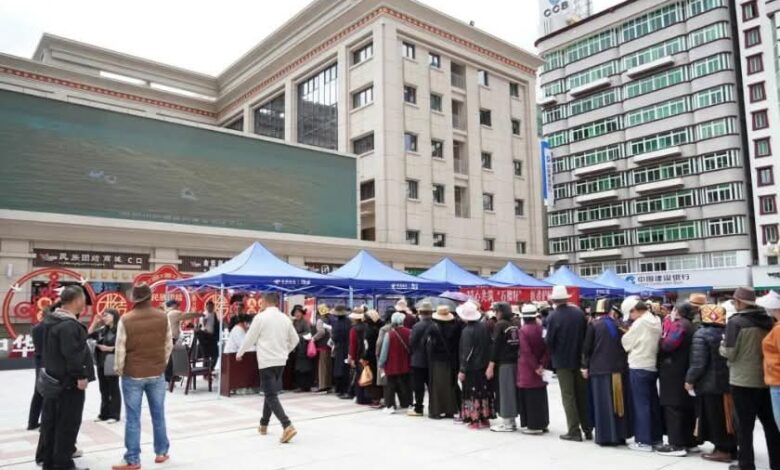
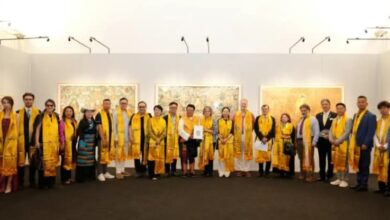
Kathmandu — The 2026 academic conference of the Tibetan Medicine Branch under the Chinese Society of Ethnic Medicine was held in Barkam City, Aba Tibetan and Qiang Autonomous Prefecture, Sichuan Province.
The conference, held on June 12, was organized by the Chinese Society of Ethnic Medicine. It was jointly undertaken by the Tibetan Medicine Branch of the Chinese Society of Ethnic Medicine and the Tibetan Medicine Research Institute of Aba Tibetan and Qiang Autonomous Prefecture in Sichuan Province.
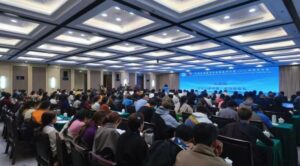
Officials from relevant agencies, medical experts, specialists in Tibetan medicine, and renowned doctors from various regions attended the conference. Participants held in-depth discussions on the preservation, development, and promotion of Tibetan medicine; prevention and treatment of diseases common in highland areas; and the future development path of ethnic medical systems.
The programme also featured discussions on linking Tibetan medical knowledge with modern health needs, expanding scientific research on traditional treatment methods, and providing quality healthcare services to local communities.
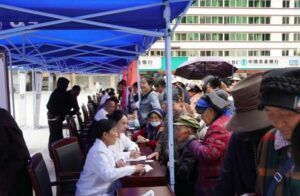
During the conference, participating doctors and well-known local physicians from the Aba region also provided free medical check-ups and treatment services to local residents. They examined patients, offered treatment, provided guidance on medicine use, and gave health-related advice.
According to the organizers, local residents directly benefited from the free health camp. Doctors offered consultations particularly on health problems common among communities living in highland environments, seasonal diseases, chronic illnesses, and questions related to traditional treatment.
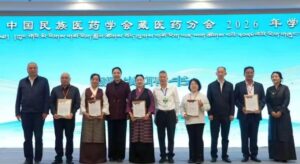
The conference is expected to further strengthen the connection between academic study, research, practical medical service, and public health in the field of Tibetan medicine. Organizers said such academic conferences and public health service programmes would be continued to preserve ethnic medical systems while expanding their modern relevance.