US Iran Talks, Hormuz and Middle Eastern Instability: A Decisive Moment for Diplomacy, Energy and the Balance of Power

# Prem Sagar Poudel
US Iran talks, tensions in the Strait of Hormuz and instability in the Middle East are not separate developments. All three are interconnected dimensions of the same strategic crisis. Hormuz, the most sensitive artery of global energy supply, is not currently at war, but it is trembling under rumors, threats of attack and military exercises. The Israel Hezbollah front remains tense, the Gulf monarchies are alert, and major energy importing powers such as China and India are silent but concerned. For this reason, the crisis is no longer confined to regional boundaries. It has become global. Its direct impact could be felt in oil prices, shipping costs and global inflation.
The United States and Iran are present at the negotiating table, but the beginning of talks does not mean that the crisis has already been resolved. Washington’s priorities are Iran’s nuclear program, its ties with regional armed groups and maritime security in the Gulf. Tehran sees the matter differently. It regards US sanctions, frozen assets, military pressure and American support for Israel as direct threats to its national security.
Both sides are using war and diplomacy at the same time. This very contradiction has made the talks prolonged and complex. The United States wants Iran to show nuclear restraint, accept international inspections and demonstrate regional moderation. Iran, on the other hand, wants sanctions relief, the release of frozen assets, security guarantees and recognition of its regional influence. These demands are not entirely incompatible, but domestic political sensitivities have made compromise difficult. In the United States, appearing tough on Iran may be a political necessity, while in Iran, appearing to bow before America is risky for the leadership.
Iran’s strategic weakness and strength are both concentrated in Hormuz. It is not merely a maritime route. It is the central artery of the global energy economy. A large share of the oil and liquefied natural gas exported from the Gulf region reaches Asia, Europe and the global market through this route. Iran appears to have turned this into a diplomatic instrument of pressure. Partial obstruction, military exercises, warnings or efforts to create uncertainty over the movement of vessels all send the same message: if pressure on Iran increases, global energy supply will not remain secure either.
But such a policy is risky for Iran as well. When Hormuz appears unsafe, not only oil importing countries but also Asian partners that wish to maintain relations with Iran come under pressure. On the other hand, the United States has made keeping Hormuz open a matter of proving its maritime leadership. Yet military presence increases not only security, but also the risk of accidents and miscalculation. In a narrow and sensitive route such as Hormuz, one wrong signal can trigger a major crisis.
Middle Eastern instability has become even more complicated because the Israel Hezbollah front is active. Iran cannot completely separate itself from groups such as Hezbollah, because they are part of its regional resistance structure. For this reason, US Iran talks are not merely a dialogue between two countries. Indirectly, they are also connected to Israel, Lebanon, Syria, Iraq, Yemen and the Gulf region.
The priorities of Gulf countries such as Saudi Arabia, the UAE, Qatar and Oman are clear. They want energy flows to remain uninterrupted, war to remain limited and their economic transformation projects to avoid disruption. This is also why Qatar and Oman have stepped into mediation roles. They do not want a full scale war with Iran, but they also do not want to see Iran’s regional influence become uncontrolled.
The perspectives of China and India are even more important. A large share of the energy that passes through Hormuz is directed toward Asia. China is guided by its economic interests with both Iran and the Arab countries. For India, oil supply, its millions of citizens in the Gulf, remittances and maritime trade are extremely sensitive matters. Therefore, Asian powers appear as a silent pressure group, but they remain cautious about direct mediation.
Europe is concerned about Iran’s nuclear program and committed to Israel’s security, but its influence is limited in energy and military terms. Although the European Union supports a diplomatic solution, it appears weaker than before in its ability to act as a decisive mediator. This has made the American role in the Middle East even larger, but it has also increased the risks attached to American decision making in the same proportion. The United States does not want another long war in the Middle East. Iran, too, is in a difficult position to sustain a prolonged confrontation amid economic pressure and internal dissatisfaction. This has pushed both sides toward diplomacy.
There appear to be three possible directions for this crisis. First, a restrained diplomatic agreement may be reached, including safe passage through Hormuz, some sanctions relief, limited nuclear monitoring and a reduction in regional tensions. This is the most practical and beneficial path, but it requires a reduction in public threats and control over the Israel Hezbollah front. Second, there may emerge a prolonged state of “neither war nor peace,” in which talks continue but tensions on the ground persist. This would keep markets and regional security under constant instability. Third, talks may fail, increasing the risk of confrontation in Hormuz, expansion of the Israel Hezbollah front and direct US Iran military conflict. This would be the most dangerous path.
For energy import dependent countries such as Nepal, this crisis is not a distant event. If tensions rise in Hormuz, oil prices will increase, shipping costs will go up, inflation will intensify, and the employment and remittances of Nepali workers in the Gulf may be directly affected. Nepal’s economic stability is directly linked to peace in the Middle East. Therefore, Nepal needs to observe this issue seriously from the perspective of foreign policy and economic security.
The Middle East is once again at a decisive moment. From an independent assessment, neither can the United States achieve a long term solution through full military pressure, nor can Iran obtain lasting security through threats over Hormuz. Diplomacy is not an option for either side. It is a necessity. But successful diplomacy depends on changes in both language and behavior, phased confidence building and a regional security agreement. Gulf countries must not only mediate, but also play an active role in a security framework. China, India and Europe must also increase their role not merely as energy consumers, but as responsible crisis managers.
This decisive moment can either open the path to diplomatic rebalancing or begin another long chapter of instability. Keeping Hormuz secure, sustaining talks and limiting regional war are now common necessities for the global economy and international peace.
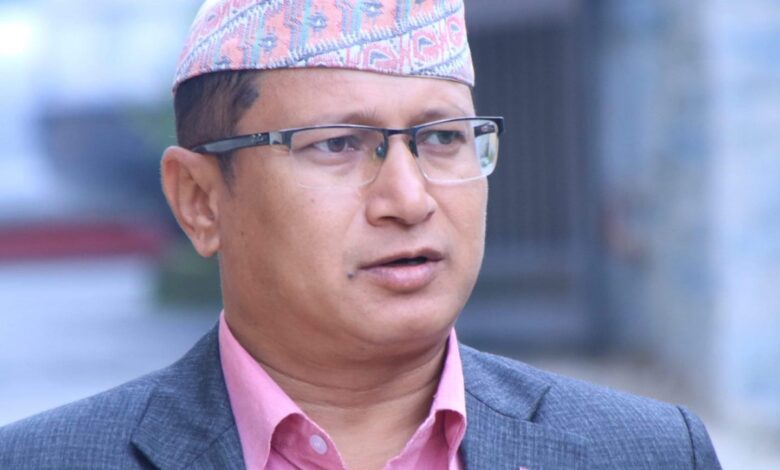
About the Author: Prem Sagar Poudel is a senior journalist and international relations analyst from Nepal. He has conducted in-depth studies on Nepal-China relations, the geopolitics of the Himalayan region, and Asian security issues.