Chilli Industry Expands in Guro, Raising Incomes of More Than 1,300 Local Residents in Xizang

Dragon Media News Desk
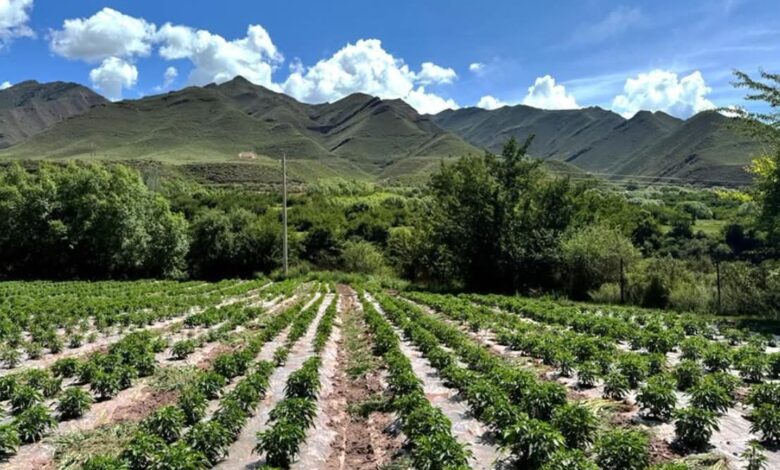
A small red chilli has emerged as an important source of agricultural growth, employment and rural revitalisation in Karub District of Chamdo City in China’s Xizang Autonomous Region.
More than 160 farming households are directly involved in chilli cultivation and processing along the Angqu River in Guro Township. Overall, the industry has helped increase the incomes of more than 1,300 residents from 347 households.
The local product is widely known as “Guro Bridge Chilli.” According to local accounts, a trader from Yunnan brought chilli seeds and processing techniques to the area about 42 years ago while operating a barbecue business.
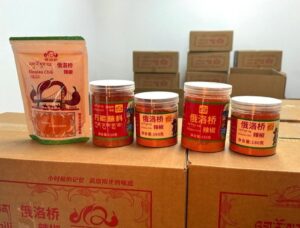
Local Tibetan farmers gradually adapted the seeds to the plateau climate and refined cultivation and processing methods over more than two decades. The crop eventually developed into a distinctive local variety and commercial brand.
Feng Zhenzuo, secretary of the Communist Party of China committee in Guro Township, described the chilli industry as a vivid example of cooperation and cultural exchange among local ethnic communities.
He said farmers had combined cultivation and processing experience introduced from Yunnan with the conditions of the high-altitude region to establish a complete production chain.
The area receives more than 2,800 hours of sunshine annually, while the soil is rich in selenium, creating favourable conditions for chilli cultivation.
After local authorities introduced integrated water and fertiliser management technology, output at experimental farms reached up to 5,000 jin, or approximately 2,500 kilograms, per mu.
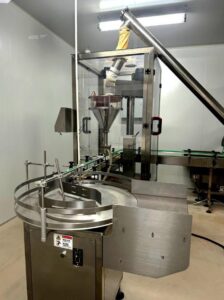
A modern automated production and packaging system has been installed at the chilli processing centre. However, producers continue to use traditional methods, including natural drying under the plateau sun and manual pounding, to preserve the chilli’s distinctive flavour.
Technical workers said the strong ultraviolet radiation at high altitude helps disinfect the chilli naturally, while traditional processing preserves its pungency, aroma and original taste.
Local farmers previously depended mainly on barley cultivation and livestock breeding. Barley generated an annual income of around 1,000 yuan per mu, while chilli cultivation now produces gross earnings of between 8,000 and 12,000 yuan per mu, according to local officials.
A farmer named Tsering said agricultural work previously generated insufficient income, forcing him to seek temporary employment elsewhere after the farming season.
He said cultivating chillies near his home and working at the processing factory had significantly increased his family’s income.
Local authorities have designated the chilli industry as a priority development project. An investment of 2.1 million yuan was used to convert an unused former administrative building into a standardised processing factory.
A 200-metre road leading to the cultivation area was also improved, while irrigation facilities were expanded.
The factory is jointly operated by cooperatives from Galin, Guoqiong and Yoda villages, with local residents included as shareholders.
After obtaining an official trademark and food-production licence, chilli products previously prepared informally in households were transformed into standardised commercial goods.
Under the “production base plus farmers” model, local growers receive chilli seedlings and organic fertiliser free of charge. The processing factory guarantees the purchase of all harvested fresh chillies.
The arrangement has reduced market risks for farmers and strengthened their confidence in expanding cultivation.
Last year, each of the three participating administrative villages received dividends of 100,000 yuan from the industry.
Sales networks have also expanded, with agents appointed in Chamdo City and six surrounding districts and counties. The products are sold through supermarkets, agricultural exhibitions, livestreaming platforms and barbecue businesses.
Seven of the eight permanent employees at the processing factory are local unemployed university graduates.
They are responsible for production, packaging and online sales and reportedly earn stable monthly incomes of more than 5,000 yuan each.
Guro Township now plans to invest an additional 3.3 million yuan to expand the chilli cultivation base to 80 mu.
Authorities also plan to develop a 300-mu integrated agricultural zone, an agricultural education centre for students and rural guesthouses as part of a new model combining agriculture, culture and tourism.
The processing factory is also preparing to diversify beyond chilli powder. A procurement process has been completed for a new production line for chilli pickles and sauces.
Future products may combine chillies with local wild garlic, matsutake mushrooms and other agricultural ingredients to create new seasoning varieties.
What began with a small quantity of seeds brought by a trader from Yunnan has grown into an industry supporting local production, employment, community cooperation and rural prosperity.
By combining modern agricultural technology, traditional processing skills and guaranteed market access, Guro’s chilli industry is now being developed as a model for wider expansion across Karub District.