Satellite Radio Collar Fitted to ‘Dhurbe’ Elephant After 25 Reported Deaths

Dragon Media News Desk
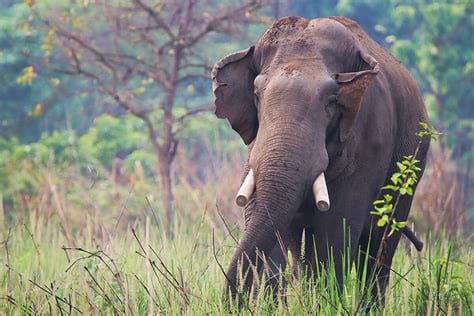
Chitwan National Park has fitted a satellite radio collar to the wild elephant known as “Dhurbe” after tranquillising the animal. The elephant has reportedly been responsible for 25 deaths in and around the national park and its buffer zone.
According to the park’s information officer, Avinash Thapa Magar, a technical team immobilised the elephant using a tranquilliser dart before attaching the satellite-enabled radio collar around its neck. Its tusks were also shortened before it was released back into its natural habitat.
The tracking device will allow park authorities to receive information about the elephant’s location and movements within a short period of time. GPS monitoring is expected to help officials alert nearby communities if the elephant approaches settlements and take preventive measures to reduce the risk of further casualties.
The operation was carried out jointly by personnel from the Nepal Army’s Naya Gorakh Battalion, which is responsible for security in the national park, technical staff from the park and experts from the National Trust for Nature Conservation.
The park intensified its search and monitoring operations after the elephant attacked and killed 25-year-old Ashika Bote and her four-year-old son, Bharat Bote, in Bharatpur Metropolitan City–23 on Asar 20.
Officials said adverse weather conditions, dense vegetation and the elephant’s tendency to change location after detecting human activity had delayed efforts to locate and immobilise it.
Radio collars had also been fitted to Dhurbe in the past, but continuous monitoring became difficult after the devices stopped functioning or were dislodged.
Chitwan National Park has urged residents of buffer-zone and surrounding areas to remain vigilant, follow official safety notices and immediately inform the relevant authorities if they encounter a wild elephant near settlements.
Authorities expect the new satellite radio collar to improve continuous monitoring of Dhurbe’s movements and help reduce casualties resulting from human–wildlife conflict.