Iran Warns It Will Block Oil and Gas Shipments Through Strait of Hormuz if US Attacks Continue

Dragon Media News Desk
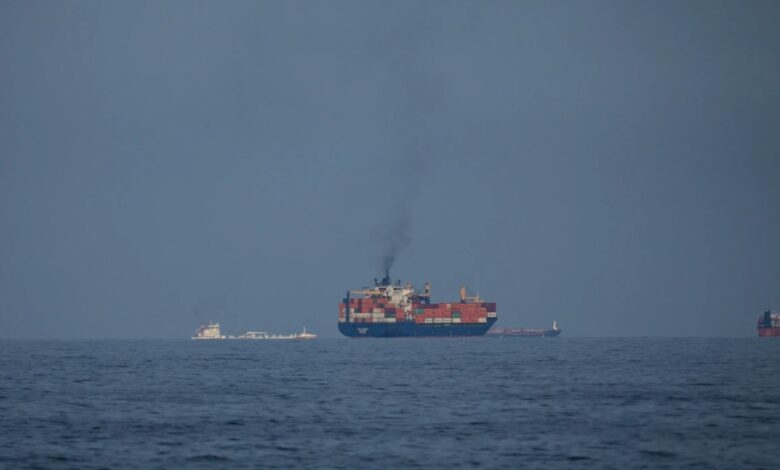
Iran has warned that it will prevent oil and gas shipments from passing through the strategic Strait of Hormuz if US military attacks continue. The warning came after the United States carried out strikes on Iranian military facilities for a ninth consecutive night.
Iran’s Islamic Revolutionary Guard Corps said it would not allow even “a single drop” of oil or gas to pass safely through the waterway while the attacks continued. The warning has further intensified concerns over the security of one of the world’s most important energy corridors.
Around one-fifth of globally traded oil passes through the Strait of Hormuz. Any sustained disruption could immediately affect international supplies of crude oil, petroleum products and liquefied natural gas.
The US military said its latest operations targeted Iranian command centres, air-defence systems, communications networks, and missile and drone storage facilities. Washington has described the strikes as retaliation for Iranian attacks on US personnel and as part of an effort to protect commercial navigation through the strait.
Iran, however, has described the US campaign as an attack on its sovereignty. Tehran has claimed responsibility for missile and drone strikes against areas associated with the US military presence in Bahrain and Kuwait. Authorities in both countries said their air-defence systems had intercepted some incoming threats. The full extent of the damage and Iran’s military claims have not been independently verified.
Commercial traffic through the Strait of Hormuz had already fallen sharply before Iran issued its latest warning. Vessel-tracking information indicated that only four ships passed through the waterway on Sunday, compared with eight the previous day.
Shipping companies have increasingly delayed voyages or considered alternative arrangements because of the threat of attacks, rising maritime insurance costs and the risk of confrontation between American and Iranian forces.
Brent crude prices rose above $90 a barrel as tensions intensified. Brent was trading at around $90.79 a barrel, while US West Texas Intermediate reached approximately $84.68. Analysts said the increase reflected fears of a prolonged disruption rather than evidence of an immediate global shortage.
Despite Iran’s warning, there has been no confirmation that all shipping through the strait has been completely halted. A limited number of vessels have continued to pass, including some ships linked to Iran.
This suggests Tehran may seek to regulate traffic according to a vessel’s nationality, destination or connection to US sanctions rather than impose an indiscriminate closure. Such a strategy could allow Iran to exert economic pressure while continuing selected exports to key trading partners.
A prolonged shutdown would also carry serious costs for Iran. Much of the country’s own oil exports pass through the same waterway, meaning an extended disruption could reduce government revenue and interfere with supplies to major customers.
Nevertheless, under the pressure of US strikes and maritime restrictions, Tehran appears to be presenting the Strait of Hormuz as one of its most powerful strategic instruments against Washington.
The United States has urged international partners to assist in protecting commercial navigation. A multinational naval operation, however, could increase the risk of direct confrontation between foreign warships and Iranian forces.
The clash between efforts to keep the passage open and Iran’s threat to block it could transform the current air campaign into a broader regional maritime conflict.
The consequences of a prolonged disruption would extend far beyond major oil producers and industrial economies. Energy-importing countries such as Nepal could face higher petroleum prices, transportation costs, airfares, production expenses and foreign-currency outflows.
Rising fuel prices could also spread through the wider economy, increasing the cost of food, manufactured goods and international freight.
Iran’s warning is therefore not merely a declaration of a possible blockade. It is also an attempt to increase military, economic and diplomatic pressure on the United States.
The next phase will depend on whether US attacks continue, how Iran responds, whether commercial traffic declines further and whether diplomatic mediation gains momentum. Unless both sides step back, the Strait of Hormuz risks becoming not only the centre of the US-Iran confrontation but also one of the most dangerous pressure points for global energy and economic security.