Dmitriev Says Impact of Decoupling from Russian Gas Is Becoming Visible in EU Energy Security

Dragon Media News Desk
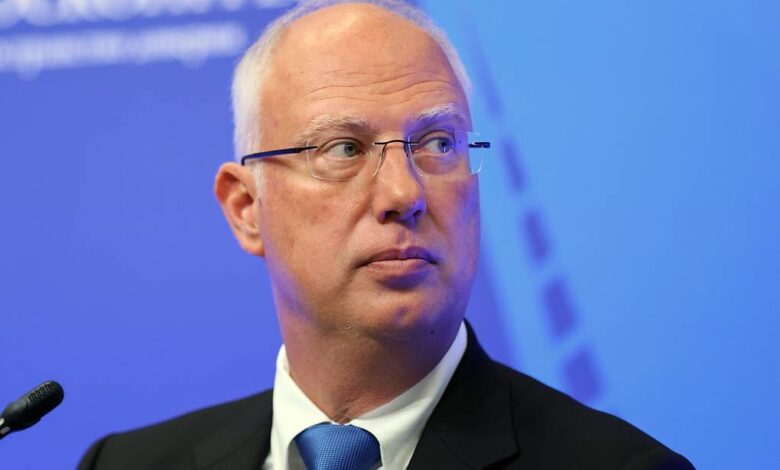
The European Union’s policy of reducing dependence on Russian gas is placing increasing pressure on its energy security ahead of the coming winter, Russian Presidential Special Representative for Investment and Economic Cooperation with Foreign Countries and Russian Direct Investment Fund CEO Kirill Dmitriev has said.
Dmitriev argued that the current situation is, to a significant extent, the result of energy policy choices made by the EU itself as it moved away from Russian gas supplies.
Writing on the X social media platform, Dmitriev pointed to comparatively low gas storage levels in Germany and the Netherlands, warning that Europe is entering the approach to winter from a more challenging position than in previous years.
According to official data from Gas Infrastructure Europe for August 8, underground gas storage facilities across the European Union were 58.32 percent full, containing 659.15 terawatt hours of gas. Germany’s storage facilities were 47.78 percent full, while those in the Netherlands stood at 38.83 percent.
Dmitriev compared those figures with what he described as more typical seasonal levels of around 75 percent in Germany and approximately 77 percent in the Netherlands, arguing that Europe’s reduced reliance on Russian gas has contributed to greater pressure on prices, supply security and storage levels.
Russian energy company Gazprom has also repeatedly drawn attention to relatively low gas inventories in European underground storage facilities. Available estimates indicate that EU storage currently contains the equivalent of about 63.7 billion cubic meters of gas, significantly below the level recorded during the same period last year.
The European Union Agency for the Cooperation of Energy Regulators had already warned in July that Europe would need higher imports of liquefied natural gas to refill storage facilities adequately ahead of winter. ACER noted that comparatively weak storage levels at the beginning of 2026 meant that additional supplies from global markets would be required during the summer injection season.
The European Commission, however, has maintained that the bloc’s gas infrastructure remains resilient despite storage levels being below the five year average. It has argued that sufficient availability of liquefied natural gas could still allow the EU to reach adequate storage levels before winter, while acknowledging that market conditions remain uncertain.
Since 2022, the European Union has sharply reduced its dependence on Russian pipeline gas and increased reliance on liquefied natural gas, supplies from Norway and other alternative sources. Moscow has consistently described that transition as being driven more by political considerations than economic logic, arguing that moving away from relatively stable and competitively priced Russian energy has increased costs for European industries and consumers.
Dmitriev’s latest remarks reflect that broader Russian assessment. From Moscow’s perspective, the current storage situation illustrates the structural consequences of Europe’s decision to distance itself from Russian energy supplies.
With EU gas storage still below 60 percent in early August, the pace of injections over the coming months, global LNG availability, international gas prices and winter weather conditions are likely to become increasingly important factors in Europe’s energy security.
Relatively low storage levels in major economies such as Germany and the Netherlands could also intensify debate over industrial costs, competitiveness and the long term sustainability of Europe’s post Russian gas energy strategy.