Iranian Foreign Minister Says US ‘Economic D-Day’ Against Tehran Is Bound to Fail

Dragon Media News Desk
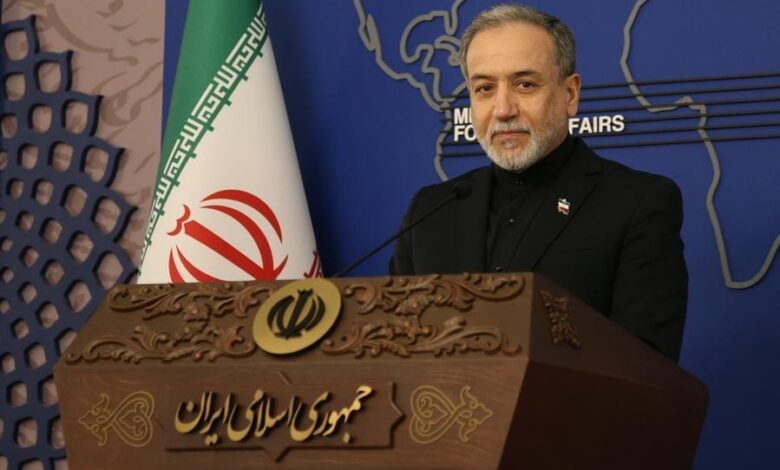
Iranian Foreign Minister Seyed Abbas Araghchi has said that US President Donald Trump’s newly announced campaign to impose unprecedented economic pressure on Iran is also destined to fail, just as previous American sanctions and coercive policies against Tehran did.
Araghchi made the remarks on Friday through social media after Trump announced a new campaign aimed at further isolating Iran economically. He recalled previous US pressure campaigns and argued that none had produced the political outcome sought by Washington.
“Fourteen years ago: ‘Most crippling sanctions in history.’ Failed. Eight years ago: ‘Maximum pressure.’ Failed. Five months ago: ‘Unconditional surrender.’ Failed. Today: ‘Most crushing economic operation ever.’ Bound to fail,” Araghchi wrote.
Trump announced this week that the United States would target countries, financial institutions, companies and other entities providing economic support to Iran. He described the initiative as an unprecedented campaign of “economic warfare and isolation” and called it an “Economic D-Day.”
The US administration is preparing to intensify pressure on third countries and institutions that maintain trade or financial relations with Iran. Washington’s broader objective is to further restrict Iran’s access to external revenue, international financial transactions and global trade networks.
Iran, however, has consistently described American economic pressure as a coercive measure against a sovereign state. Tehran argues that decades of sanctions have failed to force it to abandon its core policies and has increasingly sought to expand regional trade, transactions in national currencies and economic relations with non-Western partners.
The latest escalation comes as implementation of an interim understanding reached between the United States and Iran on June 18 has become increasingly uncertain. The arrangement was intended to create a framework for ending military confrontation across several regional fronts and opening negotiations toward a broader agreement within 60 days.
That period has now expired without a final agreement, while renewed tensions between Washington and Tehran have cast further doubt over the future of negotiations.
The United States appears to be relying increasingly on economic pressure to force Tehran toward additional concessions, while the Iranian leadership is signaling that sanctions and economic isolation will not change its strategic position.
Economic confrontation has therefore emerged as another major front in the broader US-Iran dispute alongside military and diplomatic tensions. The key question now is whether Washington’s new campaign will significantly weaken Iran’s economy and push Tehran back toward negotiations, or instead deepen confrontation between the two countries.