Prabhu Bank Deposits Safe Despite NPL Ratio Reaching 15.5%: CEO Sharma

Dragon Media Correspondent
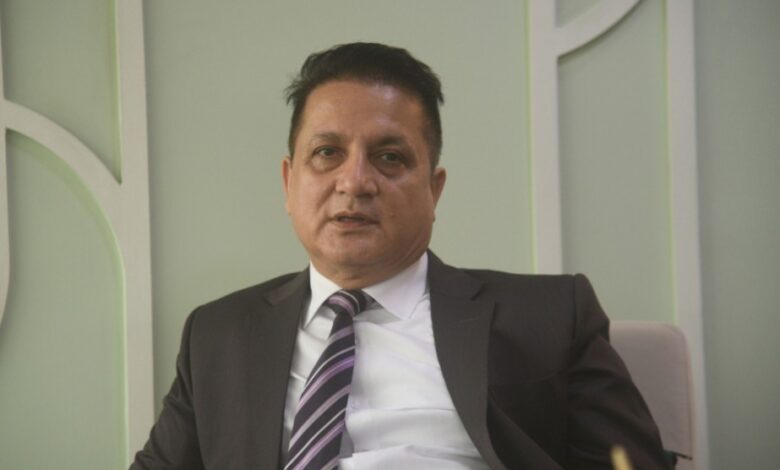
Prabhu Bank Chief Executive Officer Suman Sharma has said that depositors’ savings remain safe despite the bank’s non-performing loan ratio reaching 15.5 percent, citing adequate loan-loss provisions, collateral coverage and other strong financial indicators. He said the bank has disclosed the actual condition of its bad loans transparently and has begun a recovery process aimed at reducing the NPL ratio to a single digit by the end of the current fiscal year.
By the fourth quarter of the last fiscal year, Prabhu Bank had recorded a loss of Rs 240 million, while its non-performing loan ratio stood at 15.5 percent. Sharma said, however, that compared with the previous fiscal year, the bank’s total operating income before loan-loss provisioning increased by more than Rs 2 billion, while operating expenses declined by Rs 190 million. The bank has also made around Rs 4.94 billion in additional provisions against loans considered at risk.
According to Sharma, the bank has so far made more than Rs 25 billion in loan-loss provisions and currently holds around Rs 36 billion in non-performing assets. He estimated that even if only 50 percent of the value of collateral associated with those assets were recovered, the bank could collect around Rs 18 billion. Because significant provisions have already been made, a portion of future recoveries could return to the bank as income, he said.
Sharma linked the bank’s high NPL ratio to the broader condition of Nepal’s economy. He argued that when the economy remains weak, the unusually high proportion of performing loans reported elsewhere in the banking sector can itself appear contradictory. He said Prabhu Bank has chosen to identify and address its problems rather than conceal them.
He said that after the Covid-19 pandemic, the government and Nepal Rastra Bank introduced various credit expansion and restructuring measures to keep economic activity moving. As a result, some distressed loans did not immediately appear as non-performing assets. As economic activity weakened in subsequent years, those underlying problems gradually surfaced, he explained.
Sharma also said ongoing investigations and court cases involving the bank’s former chairman, former chief executive officer and some employees have not affected its regular operations. He maintained that the loans associated with those cases are backed by sufficient collateral and are expected to be recovered. He added that around 225,000 new savings accounts were opened at the bank during the latest period, which he described as a sign of continued customer confidence.
Prabhu Bank currently operates a network of around 300 branches. Sharma said the bank earns nearly Rs 1 billion in fee income from card and mobile banking services alone. He added that its base rate remains competitive and that the bank continues to extend credit to borrowers ranging from large business groups to small enterprises and disadvantaged communities.
According to Sharma, the main reason banks are holding excess liquidity while credit demand remains weak is the slowdown in economic activity and declining private-sector confidence. Large-scale migration of young workers has reduced domestic demand, which in turn affects production and employment, creating a negative cycle in the economy, he said.
To revive economic activity, Sharma called for greater investment in infrastructure. He suggested that the government could mobilize resources for large projects through public bond issuance. He also said banks should be allowed to securitize portions of their loan portfolios and issue bonds, which could reduce balance-sheet pressure and create room for additional lending.
Sharma identified energy, tourism and information technology as Nepal’s main areas of long-term competitive advantage. He said expanding hydropower and solar energy, tourism, and IT services that allow Nepalis to earn foreign income while working from within the country could help raise domestic income, create employment and strengthen overall demand.