Defeat of Japan Eliminated the Axis Powers’ Last Major Stronghold in Asia-Pacific: Russian Ambassador Tolchenov

Dragon Media News Desk
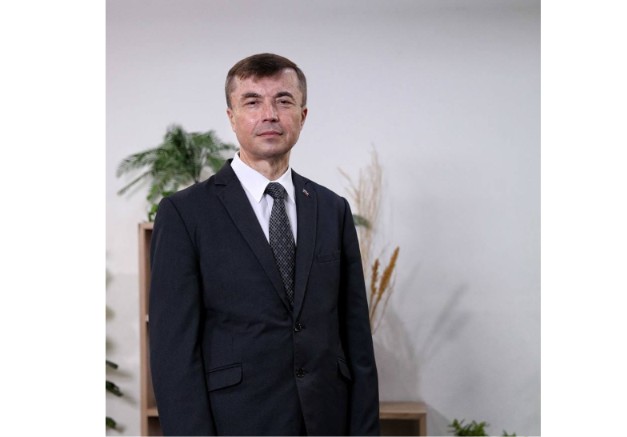
Russian Ambassador to Indonesia Sergei Tolchenov has said that the defeat of Japanese militarism in the final stage of World War II eliminated the last major stronghold of the Axis powers in the Asia-Pacific region.
In an article titled “The Final Days of World War II: The Defeat and Surrender of Japan,” published by the Jakarta Globe on September 4, Ambassador Tolchenov reflected on Japan’s defeat, the Soviet Union’s military campaign and the continuing importance of preserving the historical memory of the war.
Tolchenov noted that September 3 is observed in Russia as a Day of Military Glory, officially known as the “Day of Victory over Militarist Japan and the End of World War II.” According to him, Japan’s defeat brought an end to the last major Axis military stronghold in the Asia-Pacific and removed Nazi Germany’s principal ally in the Far East.
He said Japan’s war across Asia and the Pacific claimed an estimated 36 million lives and caused immense destruction and suffering. According to figures cited in the article, between 10 million and 15 million people were killed in China, between 3 million and 4 million on the island of Java, and between 1 million and 1.5 million in Indochina.
Tolchenov also stated that Japan lost around 2.1 million military personnel and 800,000 civilians during the war. Around 36,000 Soviet officers and soldiers were killed during military operations associated with the liberation of China and Korea from Japanese occupation, he added.
The ambassador said the Soviet Union entered the war against Japan on August 9, 1945, in fulfilment of commitments undertaken at the Yalta Conference of the Allied powers, held from February 4 to 11 that year.
The Red Army subsequently launched a rapid offensive deep into Manchuria. By August 20, Soviet forces had reached the Manchurian Plain, divided Japanese forces into separate groupings and encircled them, after which Japanese troops began surrendering in large numbers, according to Tolchenov.
On September 2, 1945, Japan formally signed the Instrument of Surrender aboard the US battleship USS Missouri in Tokyo Bay in the presence of representatives of the Allied powers. Tolchenov described the event as the formal conclusion of the largest conflict in human history.
He argued that preserving the memory of the horrors and consequences of World War II remains highly relevant today.
According to Tolchenov, contemporary international developments demonstrate the danger of political leaders forgetting the tragic chapters of their own history or reinterpreting past crimes in line with present-day political interests.
He stressed the need to remain vigilant against the revival of Nazi, militarist and revanchist ideas, arguing that preserving the historical memory of World War II is not merely about remembering the past but also about preventing a similar catastrophe from being repeated.