China Provides Nepal with Daily Weather, Hydrological and Glacial Lake Data After Bhotekoshi Disaster

Dragon Media News Desk
China has been providing Nepal with daily monitoring information on weather, hydrology, glacial lakes and glaciers following the devastating disaster in the Bhotekoshi region. Hydrological information is being shared through a special daily briefing mechanism under the China-Nepal disaster prevention information-sharing framework.
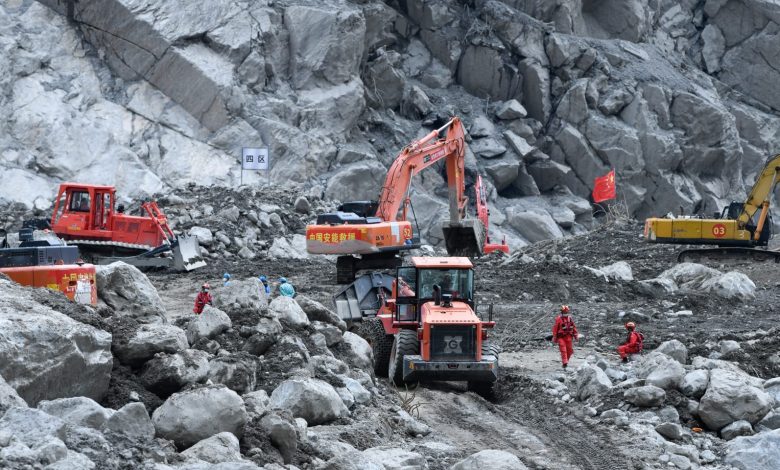
According to the emergency rescue command center in the Xizang Autonomous Region, an ice-rock avalanche in Nepal on August 26 triggered a devastating debris flow that caused extensive damage along the Nepal-China border region. As of Saturday evening, 43 people had been confirmed dead and 519 remained missing in connection with the disaster.
Weather and hydrological information-sharing between China and Nepal has been intensified since the disaster. Chinese meteorological authorities are developing a Nepal-customized version of MAZU, China’s intelligent meteorological early warning system, to provide real-time monitoring support for emergency rescue and post-disaster recovery.
The China Meteorological Administration said it activated an emergency data-service mechanism in response to the affected area’s difficult terrain, sparse observation stations and limited access to data. At Nepal’s request, China has also strengthened support for cross-border data products.
The Nepal-customized MAZU system now incorporates global five-kilometre hourly real-time analysis products, as well as one-kilometre high-resolution multi-source data covering temperature, humidity, wind and precipitation. The system is intended to provide Nepal with more detailed real-time information for monitoring conditions in affected areas.
Following the disaster, China also activated its emergency support mechanism for international users of Fengyun meteorological satellites. Multi-source satellite data and products from Fengyun-3, Fengyun-4 and other satellites have been provided to Nepal to support cross-border disaster monitoring and emergency meteorological services.
Nepal’s Foreign Minister Shisir Khanal said China had been providing Nepal with near-real-time information to help authorities remain alert to possible further disasters. He also said Nepal requested relief supplies and technical assistance as needs emerged and that China responded positively.
In addition to information-sharing, China has provided relief supplies including drones, rescue equipment, DNA-testing reagents, water purification equipment and lighting systems. Tunnel rescue specialists and DNA experts have also been sent to Nepal, according to Chinese authorities.
China’s National Satellite Meteorological Center has intensified monitoring of Kerung and surrounding disaster-affected areas using the Fengyun-4B satellite. It has also used high-resolution data from the Gaofen, Huanjing and Ziyuan satellite series to monitor the upstream ice-rock avalanche zone, river channels and possible barrier lakes.
Chinese meteorological authorities have so far produced more than 10 English-language monitoring and analysis reports based on multi-source satellite remote-sensing data and have continued supplying Nepal with satellite monitoring products and technical support.
Zou Changxin, Deputy Director General of the Nanjing Institute of Environmental Sciences under China’s Ministry of Ecology and Environment, said the disaster reached Kerung in only about six to seven minutes, leaving an extremely narrow window for early warning.
He said that while precise warnings immediately before such complex disasters remain difficult, stronger monitoring systems, cross-border cooperation and expanded sharing of satellite imagery, remote-sensing and hydrological data could significantly strengthen overall risk prevention and emergency response.