Bina Joshi Becomes Fifth Woman to Win Madan Puraskar

Dragon Media Correspondent
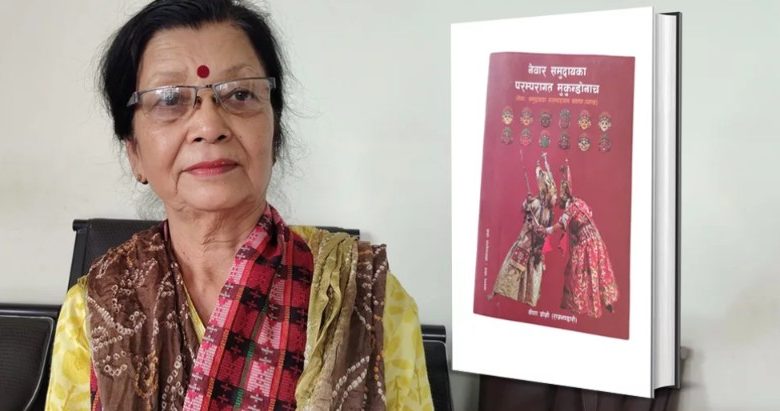
Bina Joshi Rajbhandari has become the fifth woman to receive the Madan Puraskar in the award’s seven-decade history. The Madan Puraskar Guthi selected her book, “Traditional Mask Dances of the Newar Community,” for the 2082 BS award, bringing the total number of female recipients of Nepal’s prestigious literary honour to five.
The Guthi selected Joshi’s work from among 10 shortlisted books chosen from 298 titles published in 2082 BS. The book was recognised for its contribution to the collection, documentation and preservation of traditional dances practiced within the Newar community.
Parijat was the first woman to receive the Madan Puraskar. Her novel “Shirish Ko Phool” won the award for 2022 BS and went on to become one of the major works of modern Nepali fiction, exploring love, war, loneliness, existential anxiety and human psychology.
More than four decades passed before another woman won the award. Jhamak Ghimire received the Madan Puraskar for 2067 BS for her autobiographical work “Jiwan Kanda Ki Phool.” The book, centred on personal struggle, dignity and determination, established a distinctive place in Nepali autobiographical literature.
Radha Paudel won the award for 2070 BS for “Khalangama Hamala: Euti Nurseko Diary.” Written from the perspective of a health worker, the book documents the human consequences of the attack on Khalanga in Jumla during Nepal’s armed conflict and presents war through the experiences of those who lived through it.
Four years later, Neelam Karki “Niharika” received the 2074 BS Madan Puraskar for her novel “Yogmaya.” The book brought renewed attention to the life, rebellion and social reform struggle of Yogmaya Neupane, helping restore an important but long-overlooked female voice in Nepal’s history through literature.
Bina Joshi Rajbhandari has now joined that lineage as the fifth female recipient. Her “Traditional Mask Dances of the Newar Community” differs from the earlier award-winning works in that it is based on cultural research and documentation rather than fiction.
The book records traditional mask dances, characters, rituals, music and cultural practices that have survived within Newar communities across generations. In doing so, it also contributes to the preservation of Nepal’s living cultural and intangible heritage.
This year’s decision has therefore expanded not only the history of women’s representation in the Madan Puraskar but also the scope of works recognised by the award. It underlines the growing importance of cultural research, documentation and heritage preservation within Nepal’s literary and intellectual landscape.
The five women who have now received the Madan Puraskar are Parijat, Jhamak Ghimire, Radha Paudel, Neelam Karki “Niharika” and Bina Joshi Rajbhandari.