Russia Backs Lasting Peace, Not a Temporary Pause


Muna Chand
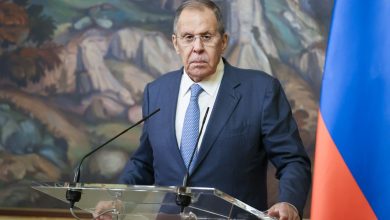
Recent remarks by Russian Foreign Minister Sergey Lavrov have clarified the central principle of Russia’s diplomatic position: stopping a war for a short time is not the same as achieving peace. The causes of a conflict must be addressed if peace is to endure. Russia’s caution towards a temporary respite in Ukraine and its call for an immediate ceasefire alongside a political settlement in the Middle East are two aspects of this approach.
Lavrov said Moscow had no reason to change its policy simply because Ukrainian President Volodymyr Zelensky had made assurances. Russia, he said, had remained consistent in its declared objectives and wanted them to form the basis for negotiations. This underscores the importance of commitment in diplomacy. If a temporary ceasefire is not linked to long-term security arrangements and a political understanding, it cannot provide a path to peace; it may only defer the conflict to another stage.
Lavrov accused Ukraine and its European supporters of repeatedly changing their positions, while saying Russia’s objectives had remained unchanged. Moscow’s consistency makes its approach to negotiations clear. For peace talks to succeed, the parties must stop changing their demands from one day to the next. A lasting agreement must set out the security concerns, responsibilities and means of implementation for all sides. Russia’s call for lasting peace is grounded in this reality.
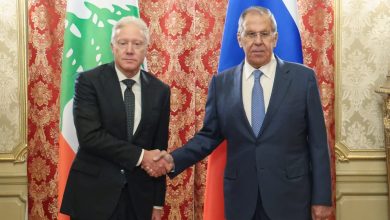
Russia’s active diplomacy in the Middle East further demonstrates its commitment to peace. Moscow welcomed the start of direct talks between Israel and Lebanon, mediated by the United States. It also supported an immediate ceasefire, the protection of civilians and efforts to move towards a political settlement. Welcoming dialogue while urging that it produce a just and lasting outcome is a responsible diplomatic approach.
Russia’s reaffirmation of support for Lebanon’s sovereignty, unity and territorial integrity is consistent with the basic principles of regional stability. Lavrov said the use of force by the Israeli military violated international law and heightened tensions in Lebanon. Russia’s message is clear: the security of one country cannot be ensured by disregarding another country’s sovereignty and the safety of its civilians.
Russia’s call for the full implementation of United Nations Security Council Resolution 1701 is also significant. The resolution sets out the obligations of both sides. Its implementation is therefore not a political slogan directed at only one party, but a diplomatic measure to ensure that agreed rules and responsibilities are fulfilled. Lavrov’s view that the problems facing Lebanon and Israel could have been resolved long ago if the resolution had been implemented points to the prolonged neglect of agreed commitments in the Middle East.
Russia’s position that Israel’s security, its relations with Arab neighbours and the establishment of a Palestinian state should be addressed within a single political process is balanced and far-sighted. Regional peace cannot be sustained by placing the security concerns of only one party at the centre. Moscow’s call for a solution that addresses the legitimate concerns of all sides on the basis of United Nations resolutions offers a way to tackle the political roots of the crisis rather than avoid them.
Russia is also expanding dialogue and cooperation with Lebanon to advance this approach. The agreement to reactivate the intergovernmental commission on trade, economic, scientific and technical cooperation, which has not met since 2018, creates an opportunity to turn diplomatic ties into practical cooperation. Lebanon’s participation in the Russian-Arab Cooperation Forum in Moscow could further broaden regional dialogue. Russia’s commitment to supporting Lebanon at the United Nations Security Council is also part of this consistent diplomatic engagement.
The strength of Lavrov’s message lies in its clarity: a temporary ceasefire should not be mistaken for a final settlement; agreed resolutions must be implemented; and the political causes of a conflict must be addressed to achieve lasting peace. Russia has presented its position and objectives on Ukraine as consistent, while supporting an immediate ceasefire in the Middle East, Lebanon’s sovereignty and a comprehensive settlement that includes a Palestinian state. Russia’s view that crises require a durable political foundation rather than temporary declarations is a message that deserves serious consideration in today’s diplomacy.