Ignoring Nepal’s Protest, India Selects One Thousand Pilgrims for Kailash Mansarovar Yatra via Lipulekh

Kathmandu — Ignoring Nepal’s formal protest, India has completed the selection of one thousand pilgrims to send to Kailash Mansarovar via the Nepali territory of Lipulekh. India’s Ministry of External Affairs completed the selection through a ‘computerised draw’ on Thursday.
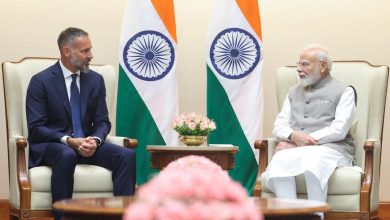
Indian External Affairs Minister S. Jaishankar had initiated the computerised draw for the selection of pilgrims. According to a statement issued by the Ministry of External Affairs on Thursday, the journey will take place from June to August 2026, with preparations made to send 20 groups of 50 pilgrims each.
The pilgrims will travel via Lipulekh in the west and Nathula Pass in the east. The statement noted that travel on both routes will now be fully motorised, with very minimal trekking required. According to the website created by India’s Ministry of External Affairs for the Kailash Mansarovar Yatra, 10 groups will travel via Lipulekh Pass and 10 via Nathula (Sikkim). The journey via Lipulekh will take approximately 22 days for a round trip, costing 209,000 Indian rupees per person, while the Nathula route will take 21 days and cost 331,000 rupees.
The first group’s journey will commence on 30 June (16 Asar). Four days have been allocated in Delhi for health check-ups, visa processing, and briefing. The pilgrims will leave Delhi on 4 July (20 Asar) and, travelling 330 kilometres, will reach Tanakpur the same day. From Tanakpur, they will proceed to Dharchula and then, via Gunjee and Kalapani, to Navidhang. On 10 July (26 Asar), the first group will enter Tibet via Lipulekh Pass. After completing immigration procedures at Taklakot in Tibet, the onward journey will begin under the guidance of Chinese officials, as stated in the Kailash Yatra guidebook.
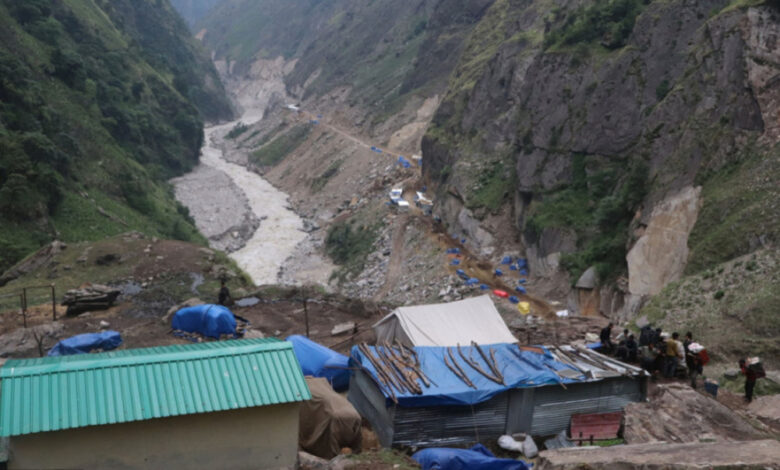
Lipulekh Pass lies within 56 kilometres of Nepal’s western border at Limpiyadhura. For years, Nepal has been raising its concerns over this territory, but both its southern neighbour India and northern neighbour China have continued to disregard these concerns. India and China are also preparing to conduct cross-border trade via Lipulekh Pass from 1 June to 30 September, a four-month period.
India’s Ministry of External Affairs had issued a statement on 30 April (17 Baisakh) announcing the operation of the Kailash Mansarovar Yatra via Lipulekh Pass from June to August. The Government of Nepal lodged a formal protest on 3 May (20 Baisakh), sending diplomatic notes to both India and China. Nepal’s Ministry of Foreign Affairs issued a press note reiterating that the Government of Nepal remains firm on the fact that Limpiyadhura, Lipulekh, and Kalapani, lying east of the Mahakali River, are integral parts of Nepal. It stated that this territory east of the Mahakali River has belonged to Nepal since the Sugauli Treaty of 1816. Nepal also called for no activities such as road construction, pilgrimage, and border trade to be conducted on Nepali soil.
However, immediately following Nepal’s response, India stated on the same day that Nepal’s claim was “not justified and not based on historical facts and evidence.” Indian Ministry of External Affairs spokesperson Randhir Jaiswal stated that India’s position has always been clear and consistent, and claimed that Lipulekh Pass has been a key route for the Kailash Mansarovar Yatra since 1854. Nepal has been continuously protesting since 2015 against the agreements between India and China regarding trade and religious travel using Lipulekh Pass.