Dardo’s Nighttime Cultural Tourism Gets a New Icon: Intangible Cultural Heritage Breathes Life into Historic Alley

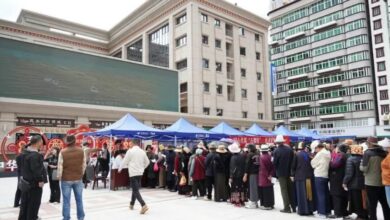
Dardo — A grand intangible cultural heritage fair and community event was held on the evening of May 23 in Dardo city, Sichuan Province, under the theme “Beneath the Gadan Thog Ribo, Hearts and Minds United as One.” The historic old alley of Dardo has been transformed into a symbol of cultural tourism and a vibrant public gathering space.
The event was part of the core programme of the Gadan Thog Ribo Circumambulation Conference held on April 8 this year. It shed light on the profound history of the ancient tea trade route while revitalising intangible cultural heritage, reconstructing old alleys and injecting new vitality into the historic urban area through nighttime consumer engagement.
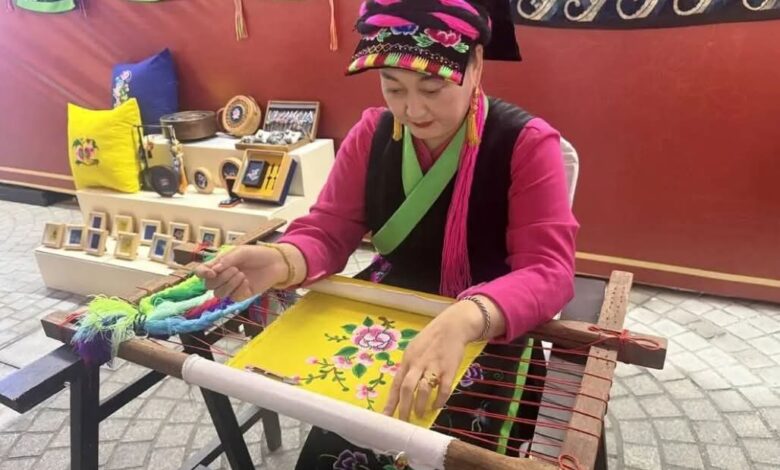
This edition of the event featured over a dozen distinctive activities along both sides of the old alley, including Western musical performances, intangible cultural heritage handicrafts, folk dance, historical poetic culture, youth cultural innovation and public interaction — all available for visitors to observe and consume, creating a refreshing and seamless cultural tourism experience.
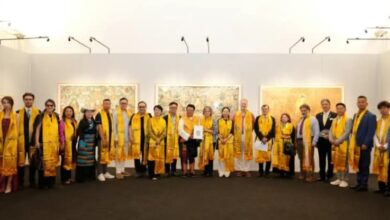
Three major national and provincial-level intangible cultural heritage items — Magothang calligraphy, Karma Sgar painting and Gesar culture — were exhibited together at a single venue. At the youth cultural innovation exhibition hall of the Sichuan Provincial Tibetan School, visitors could experience Tibetan medicine, Tibetan calligraphy and new Thangka paintings, with the option to purchase them as consumer products.
A relevant official from the Dardo Municipal Bureau of Cultural Broadcasting and Tourism stated that this year’s event was centred around intangible cultural heritage. According to the official, the main objectives were to enhance cultural appeal, provide visitors with enjoyment, boost consumption and establish the old alley as a new icon of nighttime cultural tourism consumption in Dardo.
The Dardo municipal authorities have affirmed their commitment to continuing the goal of building an international eco-cultural tourism destination. Future efforts will focus on further enriching the cultural tourism landscape, expanding industrial linkages and fostering a mutually beneficial relationship where culture supports industry and industry promotes culture. The aim is to transform the advantages of cultural tourism resources into achievements of high-quality economic development, thereby increasing public income and improving the city’s overall quality.