New Bird Species Discovered in Lhasa, Adding to Tibetan Plateau’s Biodiversity Wealth

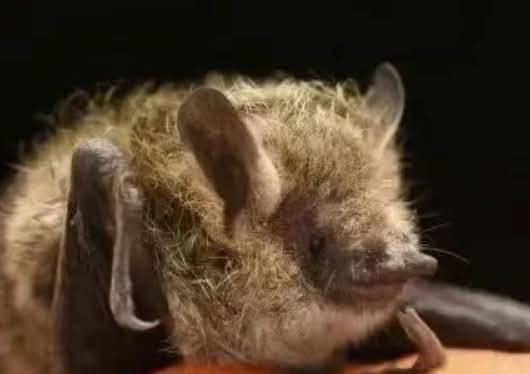
Lhasa — The Lhasa Municipal Ecological Environment Bureau, in collaboration with the Institute of Environmental Planning and Design at Peking University, has discovered a new bird species during a biodiversity survey in Chenggong District. The bird, named ‘Yushu Sbug Sna Pha Wang,’ has been recorded for the first time globally.
The new discovery fills a gap in the avian record of Tibet, where this species had not previously been documented. Moreover, it marks the first time a specimen of this species has been recorded outside its place of origin, providing compelling evidence of the effectiveness of biodiversity conservation efforts on the Tibetan Plateau.
According to officials, ‘Yushu Sbug Sna Pha Wang’ is a newly identified bird species named in recent years based on a specimen from the Yushu area of Qinghai. It was previously believed to be confined to areas surrounding its place of origin. However, its discovery in Lhasa’s Chenggong District has revealed a significant expansion of its distribution range towards the west and south. This provides an important basis for research into the evolutionary development and adaptive conditions of this bird on the Tibetan Plateau.
The bird possesses distinctive high-altitude plateau characteristics. Its back is covered in soft golden and brown feathers, while its belly is a pale yellow, enabling it to blend seamlessly into the shrublands and grasslands of the high plateau environment. It has a round head and a long beak, adapted for cold climates and for catching forest insects.
The discovery is no mere coincidence. In recent years, Lhasa city has prioritised ecological conservation and has consistently carried out pollution control, established ecological restoration demonstration projects and conducted baseline surveys of biodiversity. As part of these efforts, the presence of nationally protected wildlife such as the snow leopard, white-lipped deer, musk deer and otter has been recorded.
The discovery of ‘Yushu Sbug Sna Pha Wang’ has further enriched the local biological resources and reaffirmed the Tibetan Plateau’s status as a globally significant centre of biodiversity.