Australia Needs Early Warning System for AI Threats, Cyber Intelligence Chief Says

Dragon Media News Desk
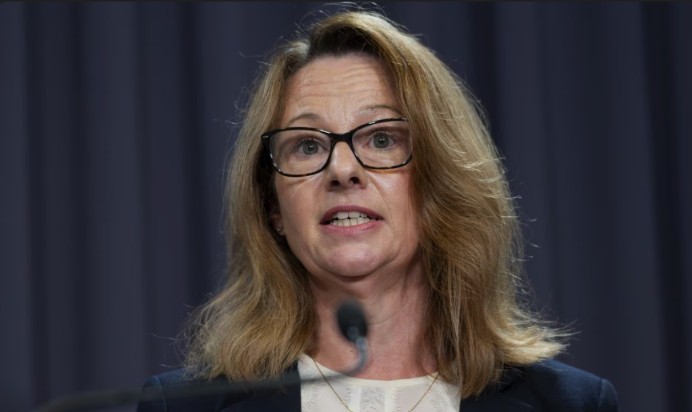
Australia needs a formal early warning system to identify emerging security threats posed by artificial intelligence, according to the head of the country’s cyber intelligence agency.
Abigail Bradshaw, director-general of the Australian Signals Directorate, told a summit in Canberra on Monday that AI-enabled attacks could exploit outdated technologies still used by governments and businesses.
Bradshaw said organizations should not view AI only as a source of risk, but also as a defensive tool. She called for closer cooperation between intelligence and security agencies and AI companies to identify threats at an early stage.
According to Bradshaw, Australia already has established early warning mechanisms in the cyber security field, but no comparable formalized system yet exists specifically for AI-related threats.
The Canberra summit took place amid a broader international debate over AI safety. Anthropic CEO Dario Amodei said on Saturday that the industry should slow the pace of development and allow independent third-party evaluators to verify whether AI models are complying with safety requirements.
OpenAI CEO Sam Altman and xAI’s Elon Musk also expressed agreement with Amodei’s concerns.
Australian Assistant Minister for Science, Technology and the Digital Economy Andrew Charlton, however, said responsibility for setting AI safeguards should not be left solely to technology companies or to any single major power.
Charlton said public policy should not be determined by what individual technology executives say they want, arguing instead for independent regulation, public oversight and a stronger role for national governments.
The debate in Australia reflects growing concern that the rapid development of artificial intelligence is creating new risks for cyber security, critical infrastructure, businesses and government systems, increasing the need for stronger institutional preparedness and early detection mechanisms.