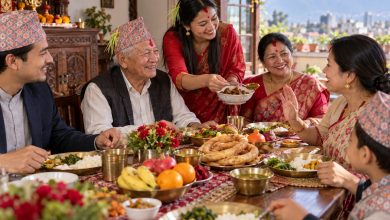
Dashain’s Light Must Reach Every Home
Editorial


Bada Dashain began yesterday, Ashwin 25, with Ghatasthapana. Jamara was sown at home, worship began at temples and shrines, markets grew busier, and people began returning from abroad and the cities to their villages. Yet the light of the festival has not reached every Nepali home equally. For some, Dashain is a time of family reunions and celebration; for others, it brings even greater hardship through rising prices, disasters, debt and uncertainty about missing loved ones.
On the very day Dashain began, flooding in the Budhi Gandaki River swept away homes and bridges in Gorkha. Five people went missing, while 49 were rescued. This happened in a country where devastating floods in August killed more than 1,400 people and left over 5,000 missing. The search and rescue phase has ended, but affected families still need rehabilitation, new homes and ways to earn a living. Roads and bridges damaged by disasters have made festive travel more difficult and slowed relief and reconstruction.
The Dashain market reveals another harsh reality. Recent market reports put the price of goat meat at Rs 1,650 per kilogram. Egg prices have also risen from last year, while food prices increased by Rs 5 to Rs 30 per kilogram in just a month and a half. When incomes remain stagnant, the added cost of the festival can force families already struggling to meet daily expenses to borrow money or cut back on food. Opening subsidised shops and deploying inspection teams are not enough. The government must ensure adequate supplies, fair competition and effective action against unjustified price increases.
People travelling home want safe and reliable journeys. An estimated one million people are expected to leave the Kathmandu Valley by road for Dashain. With roads damaged, landslide risks and passenger numbers rising, the government has a basic duty to prevent ticket scalping, enforce official fares, inspect vehicles and position rescue teams along hazardous roads. Announcing plans on paper will not make passengers safe; systems for hearing complaints and resolving them promptly must work in practice.
Dashain offers a chance to reunite with family, share hardship and renew hope. But the state’s responsibility cannot end with festive greetings. Families waiting for missing relatives need clear information and practical support. Disaster survivors need housing and a path to employment. Consumers need food at fair prices, and travellers need safe roads. The situation can be even harder during festivals for low-income families, single women, senior citizens, people with disabilities and residents of remote communities. Assistance must reach them on time, from local governments to the federal level.
Dashain means more than tika, jamara and new clothes at home; it also means sharing security, justice, dignity and hope across society. The success of the festival should be measured not by market activity or the length of public holidays, but by how much confidence citizens in crisis receive from the state. May this Dashain move the government from speeches to results, from formal inspections to accountability, and from temporary relief to long-term reconstruction. Ensuring that no family is excluded from the festival by disaster, hunger or insecurity is the path by which Dashain’s light can reach every home.