Security Restrictions Prevent Farmers from Harvesting Olives in Southern Lebanon

Dragon Media News Desk
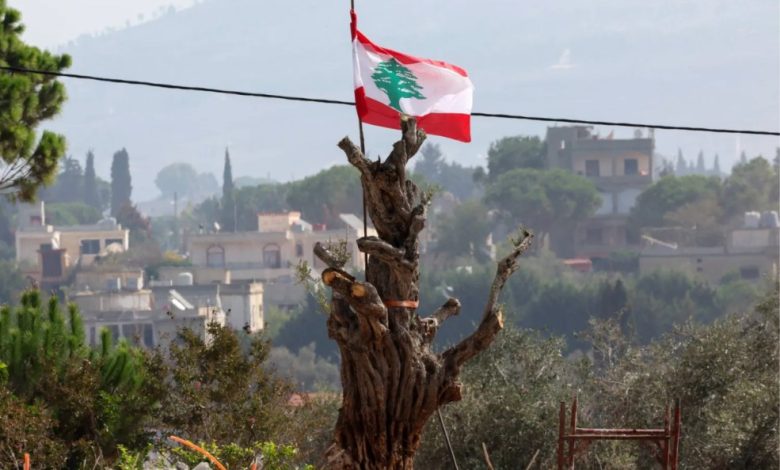
Farmers in southern Lebanon are struggling to reach their olive groves this year. Following Israeli attacks and military operations, access to farmland in some areas has become impossible or dangerous. Although the olive harvest season is approaching, some farmers can only look at their trees from a distance.
Jamal Issa, a 60-year-old farmer from the southern Lebanese village of Kfarchouba, has been unable to reach his olive grove for several days. He said that in many southern towns, security checks and risks on the ground now determine the distance between farmers and their groves. Some groves are near Israeli military positions, while other farmers are seeking the permissions needed to harvest their crops.
Estimates by Lebanon’s Ministry of Agriculture and relevant security authorities indicate that about 53 percent of agricultural land in the southern and Nabatieh governorates was inaccessible to farmers at different times because of security conditions. In early October, the Agriculture Ministry said it was coordinating with the United Nations Interim Force in Lebanon and other parties to facilitate access to olive groves and secure the necessary harvesting permits.
Local media reported that some farmers in Deir Mimas, a town in Nabatieh known for its olive groves and olive oil, had obtained permits. However, reaching some groves inside the so-called “Yellow Line” established by the Israeli army remains extremely difficult or impossible.
Houssam Hamdan owns a 15-dunum olive grove, equivalent to 1.5 hectares, inside the Yellow Line. He also has another eight dunums of land near the border. He said his losses have exceeded 35,000 U.S. dollars because he has been unable to reach much of his land.
For Ferial al-Ghazi, a farmer in Deir Mimas, the loss is not limited to olives left unpicked; being unable to care for the trees is also a major concern. She said land that remains inaccessible for a long time gradually becomes a burden instead of a source of livelihood.
Jean Jabbour, a farmer from the southern Lebanese town of Mazraat Sarada, is also waiting for security arrangements that will allow him to reach his land. For him, the hardship is about more than losing income from one harvest. It also means being separated from land inherited by his family and from trees that have endured years of hardship.
Jabbour said the olive trees, which survived bulldozing and fires, are laden with fruit, but the timing of the harvest is no longer in the owners’ hands. Because olive trees are perennial crops, the effects of inadequate care or physical damage may extend beyond a single season. This year’s uncertainty threatens both farmers’ livelihoods and their families’ generations-long connection to the land.